


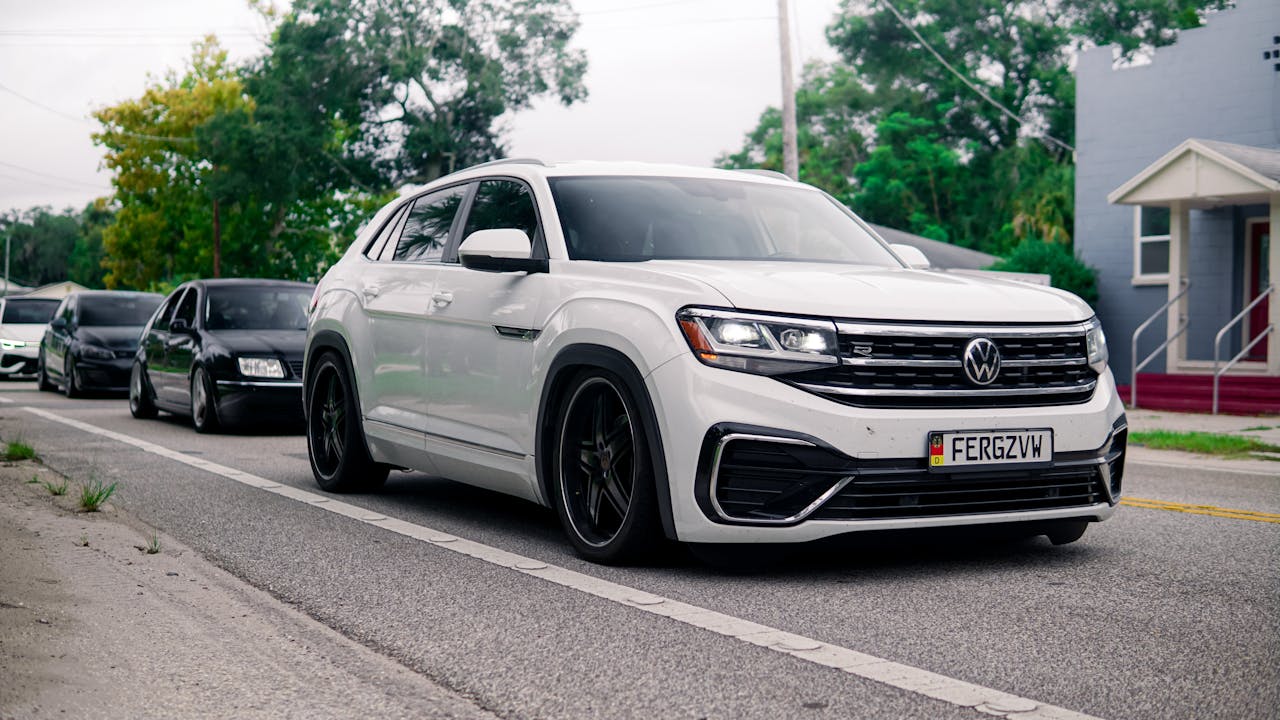
Taking proper care of your Volkswagen Atlas is crucial if you want to keep it running smoothly for years to come. Regular maintenance not only extends the lifespan of your vehicle but also ensures your drives are safe and comfortable. Navigating the roads of Long Island requires a reliable vehicle, and giving your Atlas the attention it deserves is a step in the right direction.
Read the rest of this entry »
Leasing a Volkswagen on Long Island opens up a world of possibilities for those eager to hit the road in style without the long-term commitment of ownership. Whether you’re a young professional searching for a sleek daily driver or a busy parent in need of a reliable family car, leasing provides an appealing option. It offers not just a car, but flexibility and ease that suit a variety of lifestyles. As you explore the bustling scenes and scenic drives of Long Island, a leased Volkswagen ensures you do so with sophistication and efficiency.
Read the rest of this entry »
Keeping your Volkswagen engine in prime condition requires regular upkeep. While it might seem like one more thing on your to-do list, taking care of your car can save time and prevent potential headaches in the long run. A well-maintained engine not only ensures reliable performance but also boosts efficiency, allowing you to fully enjoy your driving experience. For Volkswagen owners on Long Island, this becomes even more relevant with varying seasons affecting driving conditions.
Read the rest of this entry »
Imagine driving around Long Island on a warm day with your favorite tunes playing, only to find that your Volkswagen’s AC isn’t keeping things cool. It’s a common issue that can make any journey uncomfortable, turning what should be a pleasant ride into a sticky situation. Having a well-functioning AC is crucial for your comfort, especially during those warmer months. When it doesn’t work, it can be frustrating and hard to figure out what might be wrong.
Many car owners find themselves puzzled when their AC suddenly stops blowing cold air. The good news is, this problem often has straightforward causes and can be fixed with the right know-how. In this article, we’ll explore some typical reasons behind this issue and suggest sensible steps you can take to address each one. Whether it’s something simple like low refrigerant or more complex like electrical problems, understanding these common causes can help get you back to enjoying a cool and comfortable drive.
Reasons Your Volkswagen’s AC May Not Be Blowing Cold Air
1. Low Refrigerant Levels
Refrigerant plays a key role in your car’s AC by absorbing heat and releasing cool air into the cabin. It circulates through the AC system, evaporating and condensing to keep the air at a pleasant temperature. However, when these levels are low, your AC can’t cool the air effectively. Over time, leaks may cause the refrigerant to run low, leading to inefficient cooling.
You might notice some signs if your refrigerant levels are low:
- The air coming from the vents is not as cold as it used to be.
- You hear strange hissing noises when the AC is turned on.
- You notice an oily residue under the hood, which can point to a leak.
Keeping an eye out for these signs can help you spot low refrigerant issues early. Regular checks are a good practice to prevent this problem from cutting into your comfort.
2. Faulty Compressor
The compressor is the heart of your Volkswagen’s AC system, responsible for circulating refrigerant and maintaining pressure. When it fails, the whole system can grind to a halt, leaving you without that refreshing cold air.
Here’s how a faulty compressor can affect your AC:
- The AC might blow warm air instead of cool.
- You could hear loud noises from the AC unit under the hood.
- The clutch on the compressor may not engage properly.
A technological hiccup like a faulty compressor can be frustrating, but it’s fixable with professional help. Tackling such issues promptly ensures you stay cool during those sunny day drives.
Addressing these common culprits can help restore your AC’s chill factor. It’s always wise to get regular maintenance checks to keep everything in top shape, and sometimes, a little professional touch from someone familiar with your Volkswagen can work wonders.
Blocked or Dirty Condenser
One often overlooked part of the AC system is the condenser. Located at the front of your vehicle, it plays a vital role in cooling the refrigerant after it comes from the compressor. If the condenser gets blocked or is dirty, it can’t do its job effectively, leading to warmer air blowing through the vents.
Here are a few signs your condenser might be struggling:
- The AC isn’t blowing as cool as it should.
- You notice physical debris like leaves or dirt around the condenser.
- The car’s engine runs hotter than usual when the AC is on.
To keep your condenser in top shape, routine cleaning is recommended. Dust and debris can easily accumulate, especially if you frequently drive through rural or wooded areas. Regular inspection ensures the condenser remains unobstructed and performs its cooling duties properly, maintaining your in-car comfort.
Electrical Issues
The AC system relies on a network of electrical components to function smoothly. These include fuses, relays, and wiring. If any of these elements fail or disconnect, your AC might stop blowing cold air.
Common electrical issues to watch for include:
- AC refusing to turn on.
- Blower fans not operating at full speed.
- Frequent fuse blowouts.
Electrical repairs often require a skilled technician to diagnose and fix. If you suspect an electrical problem, it’s a smart move to have a professional take a look. They can quickly isolate the issue, saving you time and ensuring the AC returns to full functionality.
Problems with the Cabin Air Filter
Your Volkswagen’s cabin air filter is more important than you might think, serving to clean the air entering through the vents. When this filter becomes dirty or clogged, it can significantly reduce airflow, making the AC less effective at cooling.
Symptoms of a cabin air filter issue include:
- Reduced airflow through the vents, even with the fan turned up.
- Musty odors when the AC is running.
- Increased dust in the vehicle’s interior.
Switching out the cabin air filter at regular intervals helps maintain clean air circulation and optimizes the AC’s cooling performance. It’s a simple fix but makes a big difference in keeping your air fresh and cool.
What You Can Do About It
Regular maintenance is key to avoiding AC trouble. Think of it as giving your AC a health check-up to ensure it’s always ready to perform. Scheduling professional inspections can pinpoint potential issues before they turn into bigger problems. A routine check might include a thorough system test, checking refrigerant levels, inspecting the compressor and condenser, and assessing electrical components.
Having a trained technician handle these tasks provides peace of mind. Professionals can spot things you might miss and offer solutions that require more than just a quick fix. Their expertise ensures your AC system remains in great condition, ready to keep you cool during Long Island’s warmer seasons.
Maintaining a healthy AC system isn’t just about comfort—it also contributes to the overall efficiency of your vehicle. Keeping everything running smoothly prevents overworking your engine and can even lead to better fuel economy. Consistent care keeps you breezing through seasonal changes with ease, letting you enjoy every ride.
To ensure your Volkswagen’s AC keeps you cool on every drive, it’s important to stay on top of routine care. At Smithtown Volkswagen, we make prioritizing your comfort simple with our expert services. Find out how to enhance your vehicle’s performance by scheduling your next service appointment for Volkswagen Maintenance on Long Island today.
Summer Tire Maintenance Tips for Your Volkswagen
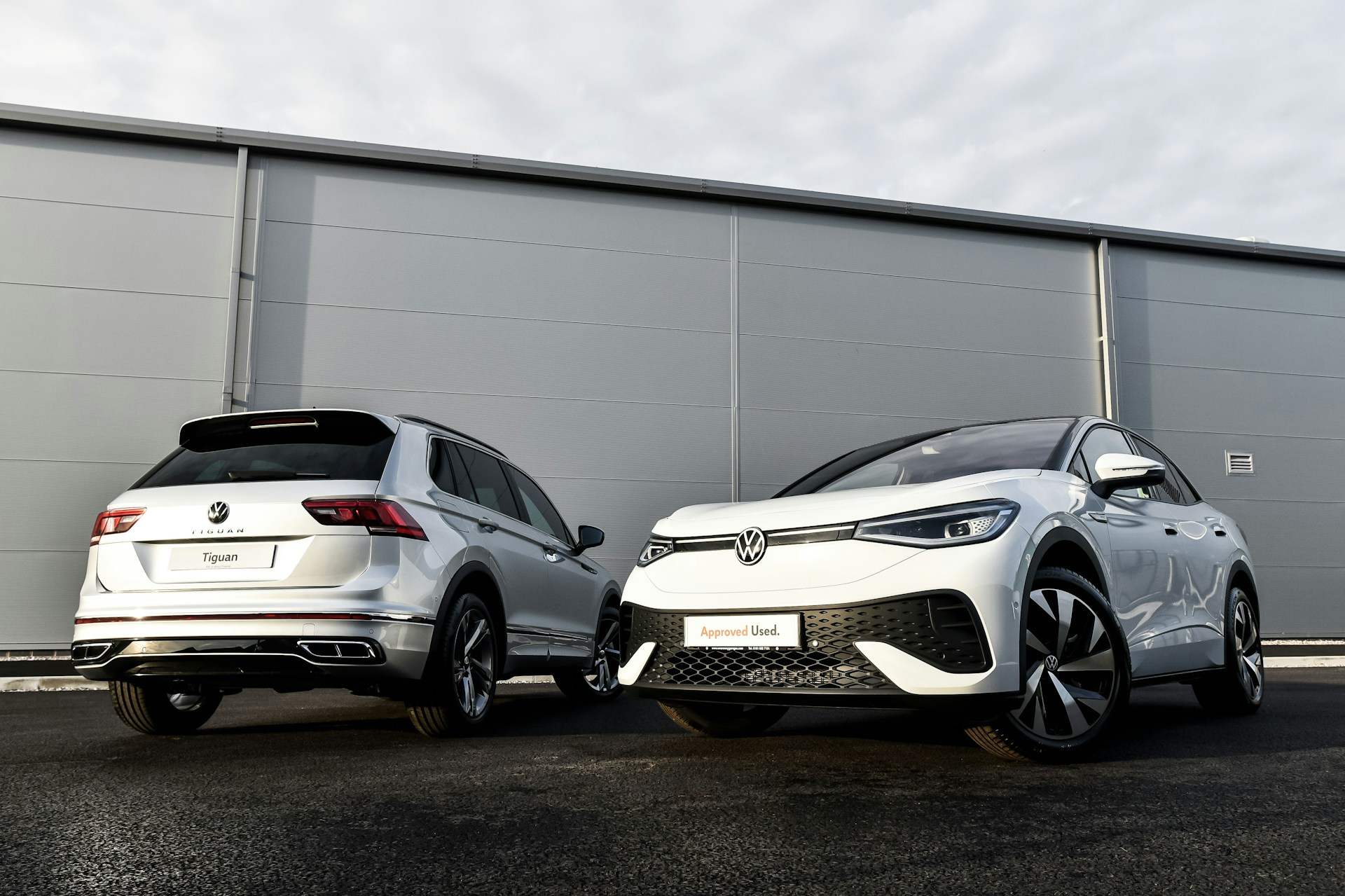
Summer is the perfect time for road trips and adventures, especially on Long Island. However, rising temperatures can have a significant impact on your Volkswagen’s tires. Proper summer tire maintenance ensures safety on the road and extends the lifecycle of your tires. Just like wearing the right shoes for an activity, maintaining your tires properly maximizes performance and keeps your drives smooth and trouble-free.
Taking care of your tires might seem like a task that’s easier said than done, but, in reality, it’s a straightforward process. By following a few simple tips, you can help your tires handle the hot pavement like a pro. With these easy steps, you’ll enhance your vehicle’s performance and improve fuel efficiency.
Check Tire Pressure Regularly
One of the first things you should do is keep an eye on your tire pressure. As temperatures rise, the air inside your tires can expand. This can lead to increased pressure, which might cause blowouts or uneven tread wear. Consistently checking your tire pressure, particularly during summer, can help prevent these issues.
Here’s a quick guide to maintaining the right tire pressure:
- Use a reliable tire gauge to check your tire pressure when the tires are cold, ideally in the morning.
- Compare your readings with the recommended pressure levels, which can be found in your Volkswagen’s manual or inside the driver’s door jamb.
- If adjustments are needed, stop by a gas station or use a home air compressor to inflate to the correct levels.
- Make a habit of checking the pressure every few weeks, and more often during long trips.
By keeping your tire pressure in check, you’ll enjoy better handling and increased safety on your journeys along Long Island’s scenic routes.
Inspect Tread Depth
Another key part of your tire maintenance is inspecting tread depth. Treads are what help your tires grip the road, especially in wet conditions. Worn-out treads can make driving hazardous, so it’s crucial to check them regularly.
To gauge your tire tread depth, you can:
- Perform the penny test: Insert a penny into the tread with Lincoln’s head upside down. If you can see the top of his head, it’s time for new tires.
- Look for tread wear indicators, which are small, raised bars located between the tread blocks. If they’re flush with the tread surface, a replacement may be needed.
- Use a tread depth gauge for a more precise measurement if you want to skip the penny altogether.
Maintaining proper tread depth not only ensures better grip but also keeps you safely on the road in unexpected weather. Keeping an eye on tread depth is a simple action that can have big safety payoffs as you head out for those summer adventures.
Rotate Your Tires
Regular tire rotation is a simple yet effective way to extend the life of your tires and ensure even wear. By rotating them, you allow each tire to spend time in different positions on the car, distributing the wear more evenly across all four. This is especially important for your Volkswagen as it can help maintain a smooth ride and improve fuel efficiency.
Here’s how to approach tire rotation:
- Typically, it’s recommended to rotate your tires every 5,000 to 7,000 miles. This can usually coincide with your oil changes.
- The pattern for rotation can vary depending on whether your vehicle is front-wheel or all-wheel drive. Your owner’s manual will have specific guidelines.
- Consider scheduling tire rotations at a professional service center to check for any other potential issues while they’re rotated.
Regularly rotating your tires is an easy way to keep your Volkswagen running smoothly, reducing the risk of unexpected problems down the road.
Look for Signs of Damage
Keeping an eye out for any signs of damage is crucial. Bumpy rides or visible issues like cuts, bulges, or cracks in the sidewall can indicate bigger problems that need addressing. Catching such issues early can save you time and hassle.
Common signs of tire damage include:
- Punctures or embedded objects that may still be causing slow leaks.
- Bulges or bubbles in the sidewall that might signify internal damage.
- Cracks or dry rot from exposure to heat or age.
Spotting damage means it’s time to take your car in for a professional inspection. Letting the pros handle it is key to keeping your vehicle safe and sound.
Keep Your Tires Clean
Dirt, grime, and brake dust can build up on your tires more quickly than you’d think. This buildup isn’t just unsightly; it can also contribute to the degeneration of your tires over time. Regular cleaning helps maintain your tire’s appearance and longevity.
Here’s a straightforward method to clean your tires:
- Rinse the tires with water to remove loose dirt and debris.
- Use a dedicated tire cleaner or a mix of water and mild detergent. Apply it with a soft brush.
- Thoroughly scrub the surface and the grooves for a deep clean.
- Rinse off all the soap residue, and dry with a clean, lint-free cloth.
Steady care for your tires by keeping them clean not only enhances their look but also plays a role in extending their lifespan.
Prioritize Tire Maintenance for a Smoother Ride
Maintaining your tires isn’t just about avoiding emergency stops at the side of the road; it’s about enjoying every ride with confidence. As summer’s warmth brings its challenges and opportunities, making tire care part of your routine means fewer worries and more fun adventures ahead.
From rotating your tires to ensuring they’re clean and damage-free, every step you take adds to your vehicle’s safety and performance. Taking the time now sets the stage for more reliable drives and longer tire life, ensuring you’re ready for whatever comes down the road. Make ongoing tire upkeep a part of your regular vehicle maintenance, and you’ll thank yourself later.
Ensure that your Volkswagen is always road-ready by focusing on proper tire care this summer. If you’re in search of new tires, consider checking out the best options for Volkswagen tires for sale on Long Island at Smithtown Volkswagen. Their team is ready to help you find the perfect fit for your vehicle to keep you safe and cruising smoothly on every journey.
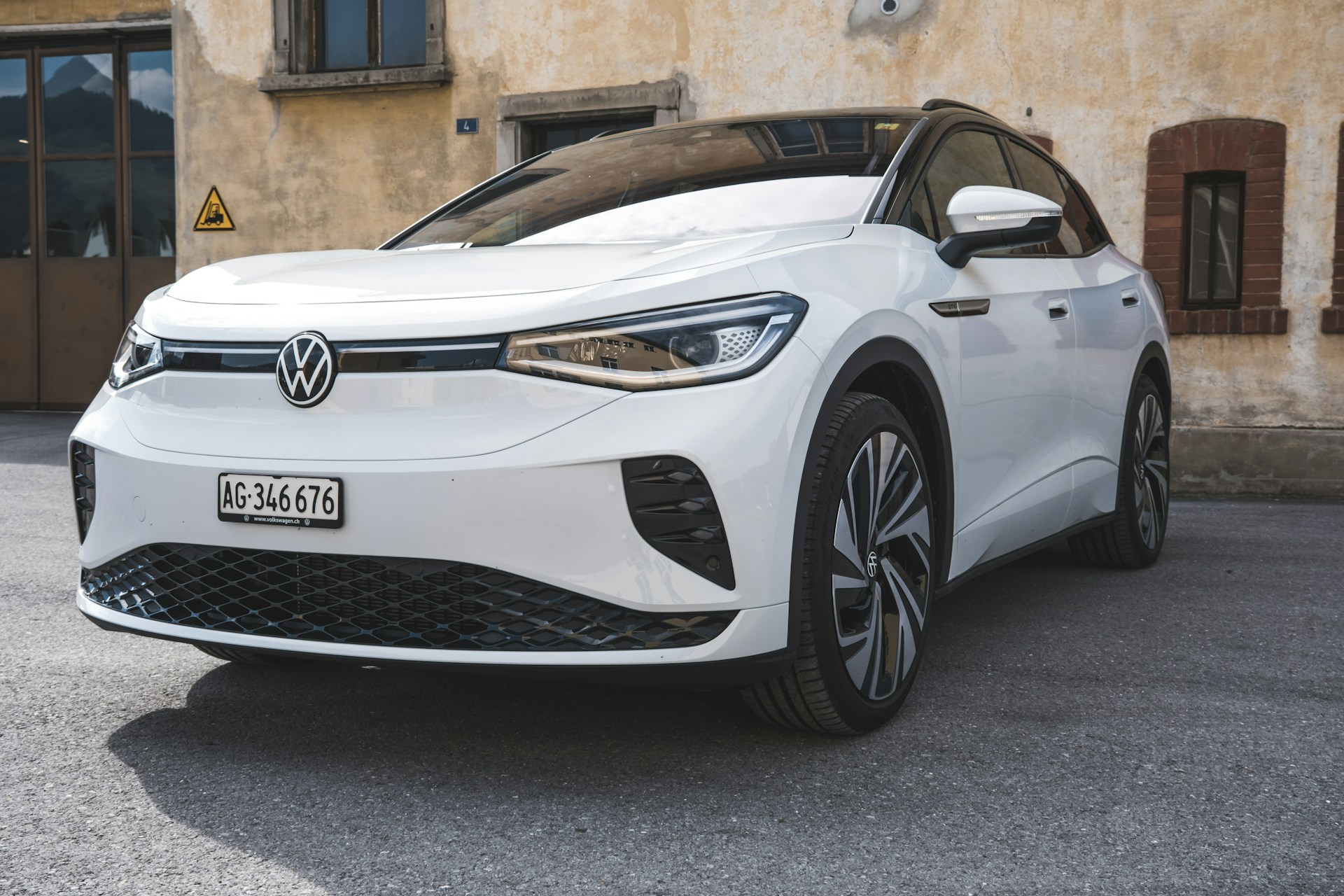
The Volkswagen ID.4 is turning heads on Long Island as drivers become more interested in electric vehicles. With sleek designs and eco-friendly features, the ID.4 is a standout choice for those looking to make the switch to electric. It combines the charm of modern technology with the practicality of everyday driving. This combination creates an appealing option for environmentally conscious drivers who don’t want to sacrifice style or performance.
Beyond its eye-catching design, the ID.4 brings many benefits to the table. Transitioning to an electric vehicle means less air pollution and a smaller carbon footprint. These vehicles not only contribute to a healthier environment, but they also offer drivers a chance to experience new technologies and innovations that enhance the driving experience. From the latest safety features to advanced connectivity options, the ID.4 embodies the future of driving on Long Island.
Advanced Safety Features
Safety is a top priority for any vehicle owner, and the ID.4 doesn’t disappoint. This electric vehicle is packed with a suite of advanced safety systems designed to provide peace of mind on every journey. Some of these features include:
- Adaptive Cruise Control: Keeps a safe distance from the car in front, reducing the stress during long highway drives.
- Lane Assist: Helps ensure drivers stay in their lane by gently guiding them back when unintentional drifting is detected.
- Blind Spot Monitoring: Alerts drivers to vehicles that might be in blind spots, improving safety during lane changes.
- Rear Traffic Alert: Aids in preventing collisions when reversing by warning the driver of incoming traffic or obstacles.
These technologies make the ID.4 an ideal companion for both daily commutes and longer road trips. Imagine heading out for a weekend adventure on Long Island and being able to rely on your vehicle’s safety systems to help navigate busy roads. It’s these innovative tools that not only enhance safety but also add to the overall driving enjoyment. By removing the usual stressors of driving, these features help keep you focused and alert, which is a game-changer in everyday travel. This commitment to safety means more relaxed journeys and a secure feeling behind the wheel.
Impressive Performance and Range
The ID.4 isn’t just about looks and safety; it also boasts impressive performance and range that suit the unique demands of Long Island drivers. This electric vehicle offers smooth acceleration and agile handling, making it a pleasure to drive through urban streets or rural landscapes. Whether you’re commuting to work or heading out for a leisurely drive, the ID.4 delivers a quiet yet powerful performance, ensuring every journey is enjoyable.
When it comes to range, the ID.4 stands out with its ability to cover significant distances on a single charge. This feature is particularly useful for Long Islanders who often find themselves navigating between various towns or enjoying a day out at popular beaches and parks. The convenience of fewer charging stops provides more time to explore and less worry about running out of power. Long road trips and daily commutes alike benefit from this reliable range, making the ID.4 a practical choice for both adventure and routine drives.
Innovative Technology and Connectivity
One of the standout features of the ID.4 is its integration of cutting-edge technology and connectivity options. The vehicle is packed with a user-friendly infotainment system that includes a large display, providing easy access to navigation, media, and other functions. Drivers can enjoy a seamless experience with smartphone integration, allowing for hands-free calls, music streaming, and more.
- Navigation System: Offers real-time traffic updates, helping to avoid congestion on Long Island’s busy roads.
- Voice Control: Allows drivers to operate various functions without taking their hands off the wheel.
- Wireless Charging: Keeps devices powered up without the hassle of cords.
These technology features not only add convenience but also enhance safety by minimizing distractions. As the world becomes increasingly connected, the ID.4 ensures you remain in touch while staying focused on the road.
Environmental Impact and Sustainability
Driving an electric vehicle like the ID.4 means making a positive impact on the environment. By significantly reducing emissions, the ID.4 contributes to cleaner air and a healthier planet, appealing to eco-conscious drivers on Long Island. This commitment to sustainability goes beyond just the driving experience; Volkswagen integrates sustainable practices in the production process as well, using eco-friendly materials and methods.
For drivers who are passionate about preserving Long Island’s beautiful natural scenery, choosing the ID.4 is a way to support a greener future. Whether it’s reducing the carbon footprint or enjoying the serenity of pollution-free travel, this vehicle offers peace of mind knowing you’re doing your part for the environment.
Spacious and Comfortable Interior
Inside the ID.4, drivers and passengers will find a roomy and comfortable environment perfect for any trip. This electric vehicle prioritizes space and comfort, featuring ergonomic seating and flexible cargo solutions that accommodate both people and their belongings. Families or anyone requiring extra space will appreciate the thoughtfully designed interior that caters to various needs, making every ride a comfortable journey.
The interior also includes premium finishes and intuitive controls, creating an inviting atmosphere suitable for both short rides and lengthy travels. Whether you’re heading to the office or exploring Long Island’s charming destinations, the ID.4 ensures that every journey is as enjoyable as it is efficient.
Wrap-Up Thoughts on the Volkswagen ID.4
In summary, the Volkswagen ID.4 encompasses a blend of style, performance, and eco-friendly technologies that cater to modern drivers on Long Island. With its innovative safety features, impressive range, and commitment to sustainability, the ID.4 stands out as a compelling choice for those seeking to embrace the electric vehicle movement.
Choosing the ID.4 means joining a forward-thinking community of drivers who value innovation and environmental stewardship. As you consider your next vehicle, reflect on the ways the ID.4 could enhance your driving experience while supporting a cleaner, greener future.
Discover how the Volkswagen ID.4 can transform your driving experience on Long Island. Explore the world of Volkswagen electric vehicles on Long Island by visiting Smithtown Volkswagen. Dive into the benefits of owning an electric vehicle that combines innovation, style, and ecological responsibility.
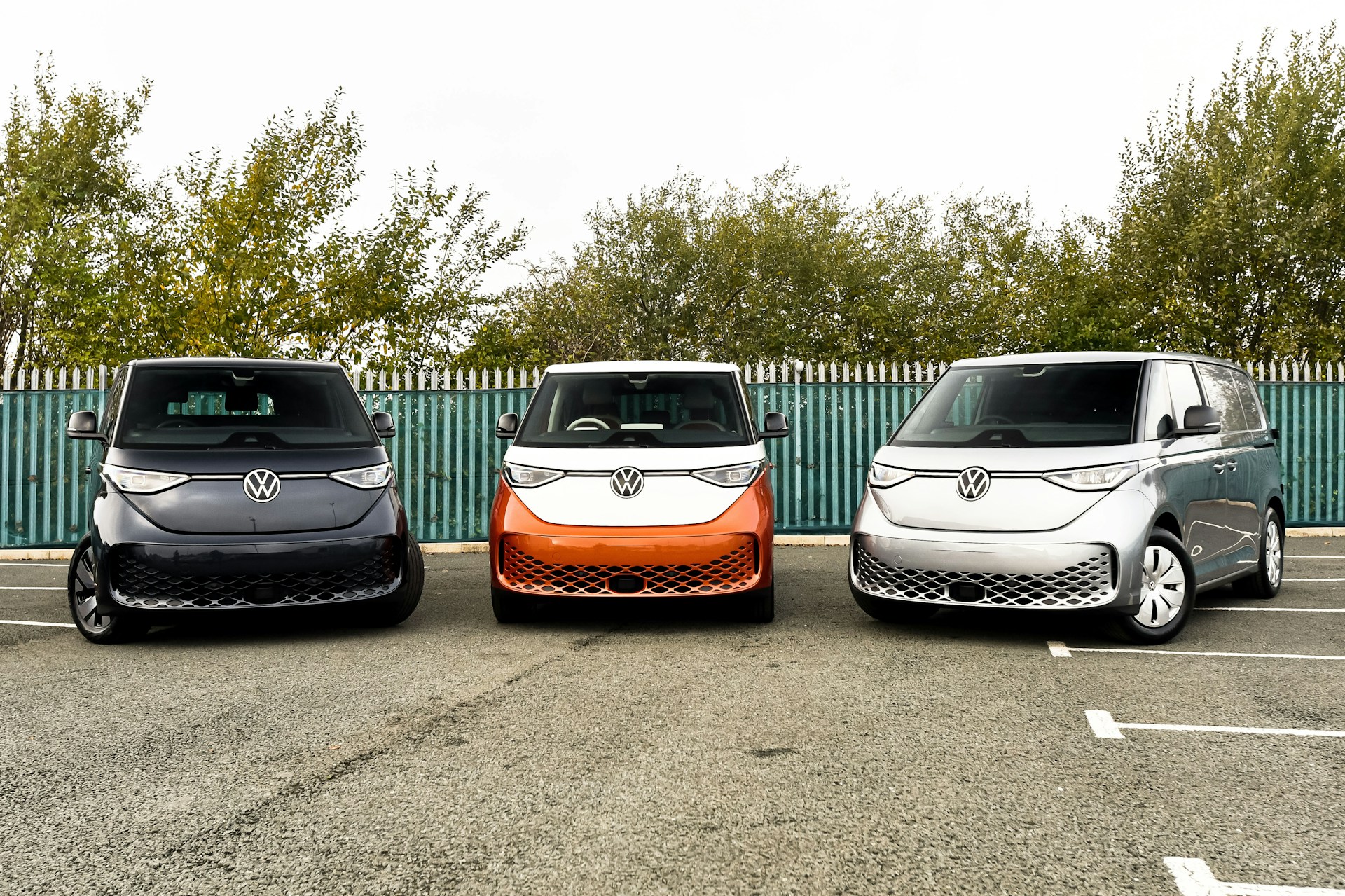
When it comes to making your Volkswagen truly yours, accessories play a crucial role. They don’t just add to your car’s appearance; they enhance functionality and personalization as well. From comfort features to tech tweaks, these diverse accessories can make every ride feel special. Whether you’re sprucing up your vehicle’s interior or aiming to boost its look and performance, there’s a wide range of options to explore. These additions help your car fit your lifestyle better, making it more than just a way to get from one place to another.
Exploring the world of Volkswagen accessories can transform the way you drive. Imagine setting out on a weekend adventure with the right gear securely attached to your car or enjoying a commute made comfortable with just the right seats and setups. Accessories offer all sorts of possibilities to improve convenience and enhance driving fun. This guide takes a dive into what’s available, focusing on exterior and interior choices, as well as performance upgrades.
Exterior Accessories
Exterior accessories let you make a statement and increase your car’s usefulness at the same time. They’re perfect for those who want to step up their design game while getting practical benefits, too. Not sure what to add first? Here are some popular options to consider:
- Roof Racks: Perfect for hauling extra gear like bikes or skis, a roof rack makes your Volkswagen ready for adventure.
- Spoilers: Enhance aerodynamics and give your car a sporty look with various spoiler designs.
- Custom Grilles: Add a personalized touch to the front of your car with grilles that stand out.
Each of these accessories can improve both the look and feel of your Volkswagen. Take roof racks as an example. By securing luggage or sports equipment on top, you free up precious space inside the vehicle. This not only makes long trips more comfortable but also keeps the interior clutter-free. Spoilers, on the other hand, aren’t just about aesthetics—they can actually enhance driving stability by improving aerodynamics.
Accessorizing the exterior of your Volkswagen means you can tailor its presence and performance to match your individual needs. Whether you’re focused on enhancing style or aiming for greater utility, there’s no shortage of ways to modify your car’s exterior. This gives you the freedom to explore more activities while making a lasting impression wherever you go.
Interior Accessories
When it comes to enhancing your Volkswagen, interior accessories are a game changer. They not only boost the overall comfort of your vehicle but also add elements of convenience that make everyday driving more relaxing. Think about slipping into your car and being greeted by cushy seat covers that make long drives a breeze. It’s like having your very own cozy spot on wheels.
Interior accessories to consider include:
- Seat Covers: Protect your seats while adding a touch of style. Choose materials that suit your needs, whether it’s leather, fabric, or even something sporty.
- Floor Mats: Keep the car clean with floor mats that are easy to remove and wash, especially during muddy or snowy seasons.
- Phone Mounts and Chargers: Make sure your devices are accessible and powered up during drives.
Investing in tech upgrades inside your Volkswagen can also make a huge difference. A good phone mount, for example, ensures your device is always within reach but out of the way, minimizing distractions and helping you keep your eyes on the road. And don’t forget the importance of ambient lighting that sets the right mood for nighttime drives, transforming your car into a space you won’t want to leave.
Performance Accessories
For those who want to take their driving experience up a notch, performance accessories offer the perfect solution. These enhancements can help your car perform better and provide a more enjoyable drive. Consider options such as sport pedals or performance brakes that aren’t just about look—they’re about feel.
Here’s what to think about:
- Sport Pedals: Add a sporty, dynamic touch to your interior. They give your feet better grip and transform the feel of your drive.
- Performance Brakes: Improve your stopping power and ensure a smoother, more controlled stop.
- Suspension Kits: Elevate your car’s performance on winding roads or rough terrain.
Performance accessories can really set your Volkswagen apart. Imagine driving down a scenic road with enhanced suspension that makes every turn feel seamless. It turns every journey into an experience, providing more connection between you and the road beneath your wheels.
Seasonal Accessories
Living on Long Island means adapting to changing seasons, and your car accessories should reflect that. Seasonal accessories help you prepare your Volkswagen for weather changes, keeping you comfortable and secure no matter the forecast.
Consider these essentials:
- Winter Mats: Protect your car’s interior from snow, salt, and dirt. These mats are easy to clean and maintain, keeping your vehicle fresh all winter long.
- Sunshades: Block intense summer sunlight and keep your car cool. They protect your interior from harmful UV rays that can cause fading.
- Cargo Covers: Keep your belongings hidden and protected from harsh weather, whether snow flurries or spring showers.
Preparing your vehicle for the seasons ensures that you stay comfortable and safe. On cold mornings, clear winter mats help prevent slips and falls entering and exiting your car. Sunshades reduce glare and heat buildup in summer, making every trip more pleasant when the sun is high.
Recap and Personalize Your Volkswagen Experience
Enhancing your Volkswagen with the right accessories can greatly enrich your driving experience. From practical interior upgrades that provide comfort and convenience to performance enhancements that refine your drive, there are countless ways to personalize your vehicle and make it truly yours.
Exploring the diverse range of Volkswagen accessories not only upgrades your vehicle’s capability but also transforms it to match your lifestyle. Whether adding a personal style or adapting to seasonal changes, these accessories ensure your Volkswagen not only meets but exceeds your expectations.
To explore more Volkswagen accessories that can enhance your driving experience, look no further than Smithtown Volkswagen. Whether it’s practical, performance, or seasonal additions you’re seeking, our expertise can help you find the perfect match for your needs. Customize your Volkswagen to mirror your lifestyle and elevate your journeys on Long Island with smart accessory choices.
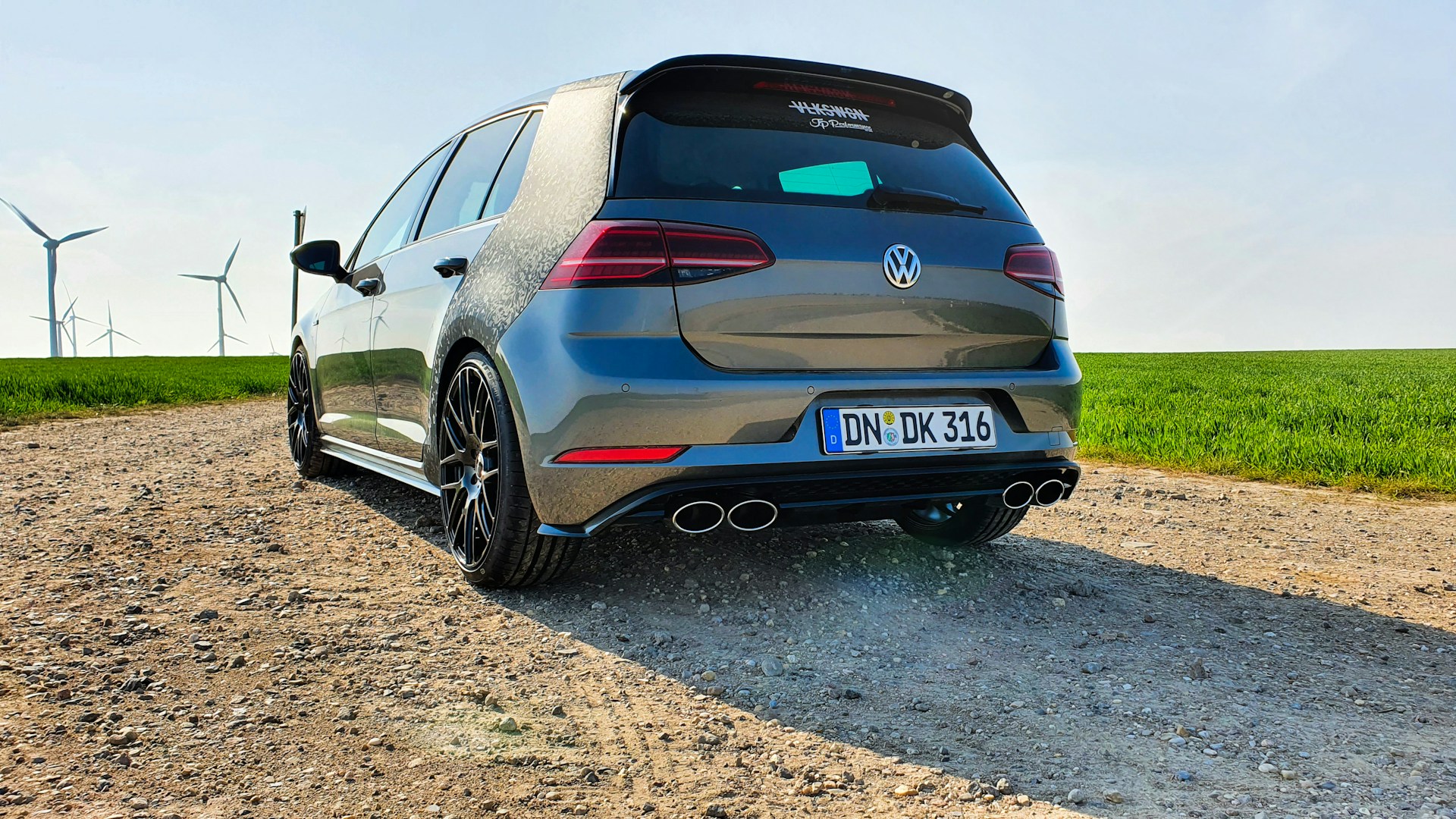
Families looking for the perfect car have a lot to consider. They need something spacious, safe, and economical, all while delivering the latest in technology. Volkswagen checks all these boxes, making it a popular choice for families everywhere. With clever designs built to enhance daily life, these cars offer practical solutions that families appreciate.
Whether it’s a quick trip to the store or a weekend getaway, a comfortable and roomy interior goes a long way in keeping everyone happy. Volkswagen understands this, creating cars that offer generous space and smart storage, perfect for large families and little ones alike. Safety is another key focus, and here Volkswagen shines brightly. From state-of-the-art airbags to advanced braking systems, every ride is as safe as it is smooth.
Beyond space and safety, technology plays a crucial role in family travel. Volkswagen equips its cars with great tech features that make every journey enjoyable. And with a commitment to fuel efficiency, these vehicles help families save money in the long run. Volkswagen’s thoughtful approach to design delivers on all fronts, making it an ideal choice for a family car.
Spacious Interiors for Family Comfort
Volkswagen is known for its smart interior designs that offer plenty of room for families. When you step inside a Volkswagen car, you’ll immediately notice the space. There’s plenty of legroom, making it comfortable for both kids and adults. This spaciousness isn’t confined just to seating arrangements. Volkswagen cars also have large trunks and thoughtful storage solutions, perfect for stowing away bags, toys, and other essentials for family trips.
Adjustable seating is another highlight of Volkswagen’s design. With the ability to fold back seats, families can choose how they want to use the space. If you need more room for cargo for a weekend camping trip, simply adjust the seats to create a flat load floor. For daily commutes with more passengers, rearrange them to maximize seating capacity. This flexibility allows families to tailor the car to their specific needs without any hassle.
Storage compartments are also found throughout the interiors, from center consoles to door pockets. These are ideal for storing smaller items like snacks, bottles, and gadgets, keeping everything organized and within reach. With such versatile interiors, Volkswagen makes family travel not just possible, but comfortable and enjoyable.
Safety Features That Families Rely On
Safety is a top priority for families, and Volkswagen takes this seriously. Their cars come packed with various safety features designed to protect everyone on board. Let’s take a closer look at some of these critical systems:
1. Airbags: Volkswagen cars are equipped with advanced airbag systems that provide protection from all angles. The side and front airbags are strategically placed to cushion passengers effectively in case of a collision.
2. Advanced Braking Systems: Volkswagen utilizes cutting-edge braking technology that assists in emergency situations. Brake assist and anti-lock braking systems help maintain control of the vehicle, even when braking hard.
3. Child Safety Locks: These locks ensure the safety of young passengers by preventing the doors from being accidentally opened from the inside while on the move, a must-have for family cars.
These features, along with crumple zones designed to absorb impact energy, contribute to an overall safer driving environment. Volkswagen’s commitment to safety ensures that families can travel with peace of mind. With such reliable systems in place, parents can focus on the ride while knowing that they are taking every step to keep their loved ones safe.
Technology That Enhances Family Trips
Volkswagen’s approach to technology significantly enhances family travel, making every trip more enjoyable and less stressful. One of the standout features is the advanced infotainment system. This system keeps everyone entertained, from the youngest passengers to the teenage backseat critics. With user-friendly touchscreens, kids can easily navigate through music and games, keeping boredom at bay during long drives. High-quality audio systems further enrich the experience, allowing everyone to enjoy their favorite tunes in crystal-clear sound.
Connectivity options are vital for families who are always on the go. Volkswagen’s cars come equipped with easy smartphone integration through Apple CarPlay and Android Auto. This means parents can listen to podcasts, get real-time traffic updates, or make hands-free calls safely during their commute. With charging ports accessible to all passengers, devices stay powered, preventing the dreaded battery low warning that can disrupt peace during travels.
These technological features aren’t just about entertainment. They improve convenience and safety, allowing drivers to stay informed and connected without taking their eyes off the road. Volkswagen tech helps transform family trips into seamless and enjoyable adventures, hinting at how thoughtful design can enhance daily life.
Fuel Efficiency and Cost-Effectiveness
Volkswagen’s reputation for fuel-efficient cars resonates strongly with families looking to save on fuel costs. Their modern engines are designed to give you more miles per gallon without compromising performance. This focus on efficiency means that family outings, long commutes, and daily errands become less of a strain on the wallet. Volkswagen engines efficiently balance power and consumption, ensuring that you get the most from every fuel tank.
The financial advantages of owning a fuel-efficient car extend beyond immediate savings. Over time, reduced fuel costs can translate into significant savings, freeing up funds for other family expenses. Saving on gas also reduces the family’s carbon footprint, contributing to a more sustainable lifestyle. Volkswagen’s continuous innovation in fuel technology reflects their commitment to marrying economy with performance.
Owners benefit from these efficient designs through lower fuel expenditures, making Volkswagen an appealing choice for families mindful of their budget. These cars demonstrate that efficiency doesn’t have to come at the cost of comfort or capability, underscoring Volkswagen’s dedication to practical family vehicles.
Conclusion
For families searching for the right car, Volkswagen’s design offers a compelling mix of space, safety, technology, and efficiency. The roomy interiors provide comfort and flexibility, while the robust safety features offer peace of mind on every journey. Innovative tech keeps everyone entertained and connected, and fuel-efficient engines ensure that families can save on travel expenses. With all these elements combined, Volkswagen stands out as an ideal family car choice.
Isn’t it time to explore cars designed with your family’s needs in mind? Visit Smithtown Volkswagen to see how these benefits come together in a truly family-friendly package. Whether you’re looking to upgrade your current ride or find the perfect first family car, the best Volkswagen dealership in New York can help you discover a Volkswagen that matches your lifestyle and preferences. Explore the versatility and efficiency of Volkswagen at our dealership today!

Taking good care of your Volkswagen is like giving it a longer, healthier life. Regular check-ups are vital in making sure your car stays in the best shape possible. They help find issues early, so they don’t become big problems that require costly fixes. This means fewer surprises and more smooth roads ahead.
When your Volkswagen gets the attention it needs, it runs better and lasts longer. By staying on top of maintenance, you avoid troubles that could spoil your driving fun. It’s a bit like going to the doctor for a routine check. You find out what’s working great and what needs a little help to keep you in top form.
With the right check-ups, your Volkswagen remains a reliable and joyful part of your life. It’s all about ensuring safety, boosting performance, and preserving value. In this guide, we’ll explore why these routine inspections can make all the difference for your beloved vehicle.
The Benefits of Regular Check-Ups
Regular check-ups are a vital part of car ownership, especially for a brand like Volkswagen that combines style and performance. These check-ups are like health check-ups for your car. They help spot potential problems before they turn into major issues. This early detection can save you from facing costly repairs and help keep your car running smoothly.
Just like people need regular health check-ups to stay fit, cars need routine maintenance for optimal performance. Regular check-ups often include examining the engine, checking the brakes, and looking at fluid levels. These basic checks are crucial for your car’s health. They help maintain the efficiency of your Volkswagen, ensuring it runs smoothly and efficiently. A well-maintained car performs better, giving you a safe and pleasant driving experience.
Neglecting regular maintenance can lead to breakdowns at inconvenient times. A small issue caught during a regular check-up could prevent your car from stalling or breaking down on a busy road. Keeping up with maintenance ensures that all parts are working together effectively, reducing the likelihood of a surprise malfunction.
Investing time in regular check-ups prolongs the life of your vehicle, upholds its reliability, and keeps driving enjoyable and worry-free.
Key Components to Monitor During Check-Ups
To keep your Volkswagen in top shape, make sure certain components are checked regularly. Monitoring these key parts prevents wear and tear and extends your car’s lifespan.
Here are essential components to keep an eye on during check-ups:
- Engine Oil: Check and change the oil regularly to keep the engine parts lubricated and functioning smoothly.
- Brakes: Look at brake pads and discs. Replace them if wear is evident to ensure safety.
- Tires: Inspect tire tread and pressure. Adequate tire condition improves fuel efficiency and prevents accidents.
- Battery: Check for corrosion and test its capacity regularly to avoid unexpected battery failure.
- Coolant Levels: Ensure coolant levels are maintained to prevent the engine from overheating.
- Lights and Signals: Make sure all exterior and interior lights work properly. This ensures not only your safety but also that of others on the road.
By consistently monitoring these components, you reduce the risk of unexpected breakdowns and maintain the car’s performance. When these parts are in good condition, your Volkswagen performs better and remains reliable over time. This proactive approach keeps your car at its best, ensuring you enjoy every drive. Regular check-ups give peace of mind knowing your vehicle is safe and dependable.
How Routine Inspections Protect Your Investment
Regular inspections are like having a savings account for your car. By catching small problems early, these inspections help you avoid major repairs that can cost a lot more later. For example, identifying a slight brake pad wear before it turns into a damaged rotor can save hundreds of dollars. Regular maintenance not only prevents costly fixes but also extends the life of your vehicle, allowing you to enjoy your Volkswagen longer.
A well-maintained car is also a smarter investment. When it’s time to sell or trade in your vehicle, buyers or dealers will look at its condition. A car with a full record of proper maintenance will often fetch a higher resale value. Buyers feel more confident that a well-cared-for car will be reliable, making it more appealing. Routine care helps maintain your Volkswagen’s performance and efficiency, which buyers value.
Routine inspections enhance reliability as well. Knowing your car is road-ready gives peace of mind whether you’re commuting daily or planning a road trip. You lower the risk of unexpected breakdowns and enjoy a smoother ride by keeping your vehicle in top shape. The long-term benefits of regular inspections far outweigh the time and costs involved, making them an essential aspect of responsible car ownership.
Choosing the Right Service Center for Your Volkswagen
Picking a reliable service center is crucial to maintaining your Volkswagen. You want technicians who understand the complexities of your car and how to keep it running smoothly. Start by looking for a service center that specializes in Volkswagens or is authorized by Volkswagen. These centers have access to the latest updates, tools, and techniques specific to your vehicle.
Check if the technicians are certified. Certified technicians have undergone training specifically for Volkswagen vehicles, which means they know how to address your car’s needs properly. These experts can identify issues that others might miss, ensuring a thorough inspection and maintenance.
The use of genuine parts is equally important. Genuine Volkswagen parts are designed to fit and function perfectly with your vehicle, unlike some aftermarket options that might compromise quality and performance. They ensure that any replacement maintains the car’s integrity and reliability.
When choosing a service center, consider their reviews, ask other Volkswagen owners for recommendations, and visit the center to understand their approach to customer service. A trustworthy service center with experienced technicians and genuine parts helps keep your Volkswagen in prime condition.
Conclusion
Maintaining your Volkswagen involves more than just occasional check-ups; it requires a proactive partnership with a reliable service center. Routine inspections and using quality parts not only protect your investment but also ensure your vehicle remains safe, efficient, and enjoyable to drive. By consistently monitoring crucial components and relying on expert technicians, your Volkswagen stays in excellent shape, offering reliability that lasts. Keeping thorough maintenance records and following a regular schedule can significantly impact your car’s resale value, giving you confidence on every drive.
Ready to take the best care of your Volkswagen? Visit Smithtown Volkswagen to connect with certified experts who are committed to keeping your car running at its best. Whether it’s routine inspections or specialized services, our Volkswagen dealership in Long Island is here to help you enjoy every mile with peace of mind. Stop by or schedule an appointment to experience the quality care your Volkswagen deserves.
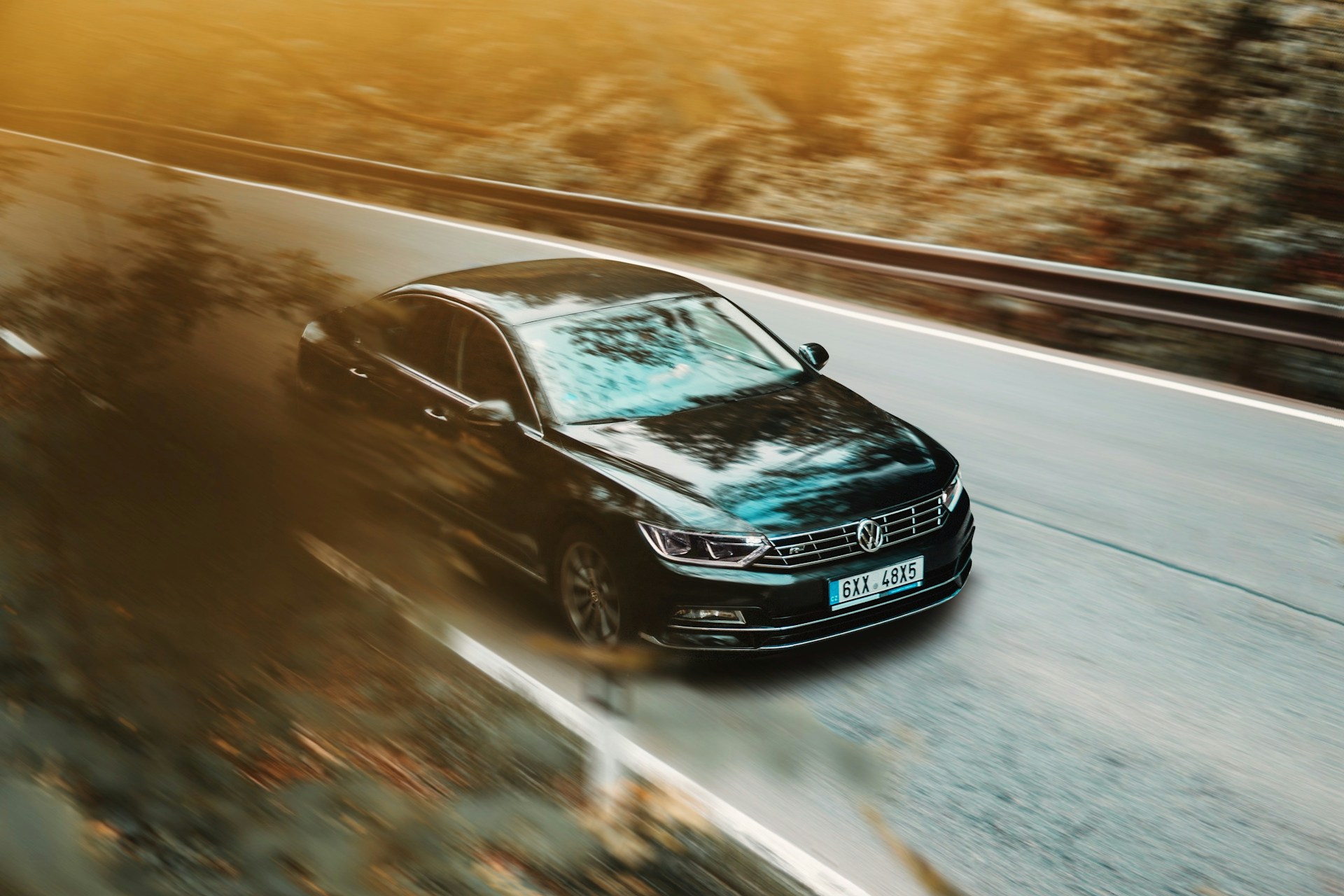
Choosing a used Volkswagen involves more than just finding a car that looks good. It’s about finding a reliable vehicle that fits your lifestyle and meets your needs. As you begin your search, consider what matters most to you and your daily routine. Do you need lots of space for family adventures, or are you looking for something compact for city driving?
Examining vehicle history and condition is another vital step. A car’s past can indicate its future performance. Knowing what to look for can help you avoid unexpected surprises. When it’s time to take a test drive, focus on how the car feels on the road, checking for any signs that might set off alarms.
Assessing Your Needs and Preferences
Finding the perfect used Volkswagen starts with understanding what you need from a car. Do you require lots of room for kids and cargo, or do you prefer something sleek and sporty? Volkswagen offers a wide range of models designed to cater to different lifestyles. For those who need extra space, SUVs like the Volkswagen Tiguan might be perfect. If you’re more interested in a comfortable and fuel-efficient commute, a smaller sedan such as the Jetta could be ideal.
Next, think about specific features that matter most to you. Do you need a car with advanced tech features like a touch-screen infotainment system? Consider options that come with Bluetooth connectivity or built-in navigation systems. Safety is also crucial, so look for vehicles equipped with features like automatic emergency braking and lane-keeping assist.
Here’s a simple checklist to help identify your priorities:
- Space Requirements: Consider the number of seats needed and cargo space.
- Technology Needs: Evaluate if features like Apple CarPlay or Android Auto are essential.
- Performance Preferences: Decide if all-wheel drive or superior fuel economy is a priority.
- Safety Features: Look for recent safety technology that may be important to your family.
By understanding your needs and preferences, you set a strong foundation for choosing the right used Volkswagen that fits perfectly with your lifestyle.
Evaluating Vehicle History and Condition
Checking the history of a used Volkswagen is a key step in making sure you get a reliable car. Begin by obtaining a vehicle history report, which offers crucial details about past ownership and any accidents. Websites like Carfax or AutoCheck can provide these reports for a small fee. Look for information on the number of previous owners, service records, and if the car has been involved in any accidents.
Next, consider the maintenance records. Consistent service history suggests the car was likely well taken care of. A car that has had regular oil changes and timely maintenance provides more peace of mind about its longevity. Also, keep an eye out for any recurring repairs that might indicate underlying problems.
Conducting a thorough inspection is another vital part of the process. Here’s what to focus on:
- Exterior: Look for signs of rust, dents, or mismatched paint, which could indicate repair work.
- Interior: Check for wear and tear, stains, or unpleasant odors. Make sure electronics and the air conditioning function properly.
- Under the Hood: Pay attention to the condition of belts, hoses, and fluids. A clean engine bay can sometimes be a sign of good maintenance practices.
- Tires and Brakes: Inspect the tread depth and even wear of tires. Listen for squeaks or grinding sounds when brakes are applied.
By carefully evaluating the vehicle’s history and condition, you can make a more informed decision and avoid potential pitfalls when purchasing a used Volkswagen.
Test Driving and Performance Checks
Taking a test drive is an exciting part of buying a used Volkswagen. It’s your chance to see how the car performs and feels on the road. Start by planning your test drive route carefully. Include a mix of city streets and highways to get a sense of how the car handles different driving conditions. Pay attention to how the engine responds when you accelerate and how smooth the transmission feels as it shifts gears.
During the test drive, listen carefully for unusual noises. Engine knocking or squealing brakes can indicate potential problems. Be mindful of how the steering feels; it should be responsive without any pulling to one side. Check the braking system by performing a few gentle stops and one firm stop to ensure there is no shuddering or unusual resistance.
Here are a few key elements to focus on:
- Comfort: Ensure the seating is comfortable and adjustable for your needs.
- Visibility: Check the view from every angle, making sure there are no significant blind spots.
- Technology Accessibility: Make sure any tech and entertainment features are easy to use and functioning properly.
- Climate Control: Test the heating and air conditioning systems to gauge their effectiveness.
An effective test drive gives you confidence in your choice and helps identify if this particular Volkswagen fits your needs before making a final commitment.
Understanding Cost and Value
The cost of a used Volkswagen should reflect its condition and market value. Start by researching similar models in local listings to get a sense of the going price. Consider the vehicle’s age, mileage, and condition compared to others available. Buyers sometimes overlook the trim level, which can also significantly impact the price based on the features included.
Examine the vehicle history report for any accidents or major repairs, as these factors might influence the car’s value. Consider the remaining life of critical components like tires and brakes. Vehicles that may soon need replacements might justify a lower price.
Also, think about the long-term value of your purchase. Volkswagens often retain their value well and have strong resale potential if they’re well-maintained. Check potential maintenance or repair costs that might arise and weigh these against the initial purchase price. Managing these future expenses can help prevent overpaying initially.
Conclusion
Selecting the right used Volkswagen involves balancing your immediate preferences with long-term considerations. Assess your needs carefully, reflecting on the features crucial to your daily life. Engage in comprehensive evaluations of vehicle history and conduct insightful test drives to assure comfort and performance. Deliberate on pricing to ensure the investment is fair and sustainable over time.
Volkswagens make for excellent choices due to their blend of reliability, style, and functionality. Whether you’re drawn to the signature German engineering or the versatile models available, a well-chosen Volkswagen can provide you with years of enjoyable driving. Navigating the used car market requires diligence, but the rewards of finding a perfect match are well worth the effort.
Ready to find the perfect Volkswagen for your needs? Explore our selection at Smithtown Volkswagen. Our knowledgeable team is eager to help you discover a used Volkswagen that fits your lifestyle and budget perfectly. Whether you’re seeking a family-friendly SUV or a compact car for city commutes, we’re here to provide an exceptional car-buying experience. Visit us today to get started on your Volkswagen journey with our used Volkswagen cars for sale in Long Island!
Connect with us


