


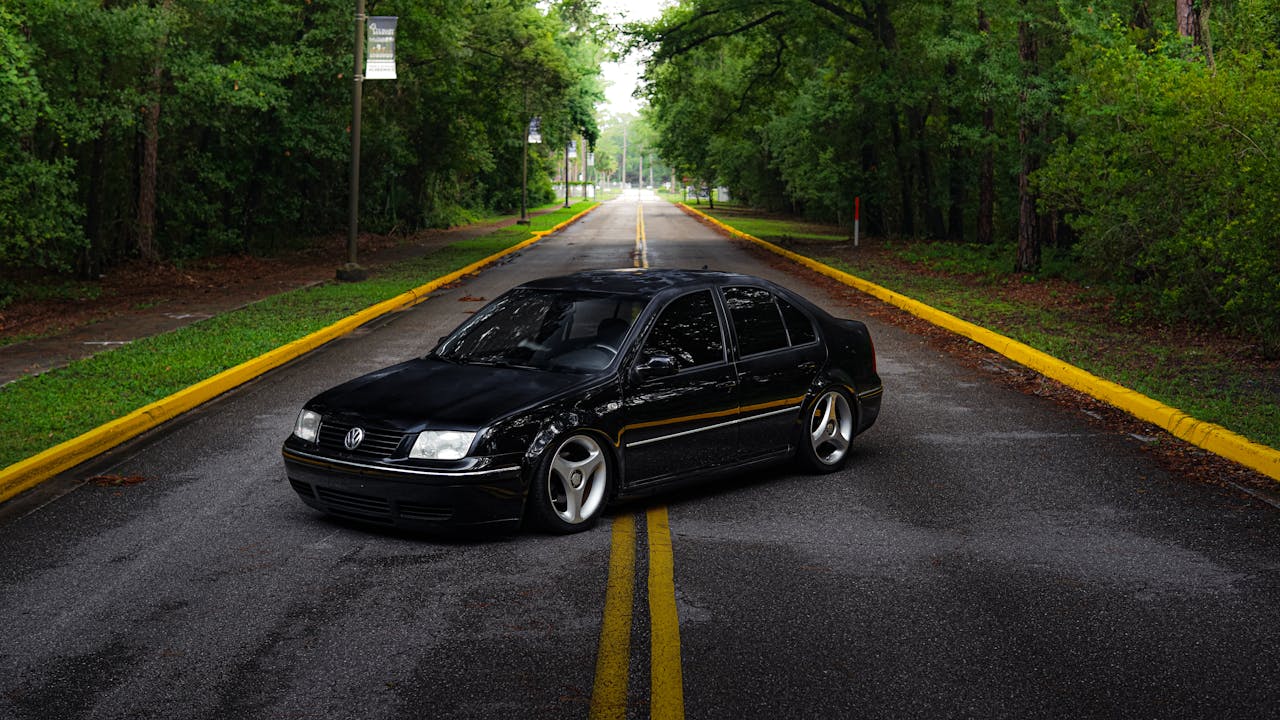
Trading in your old Volkswagen can seem like a big task, but with a little preparation, it can be a simple and rewarding experience. Whether you’re looking to get a new car or just want to do something with your old one, trading it in can be a great option. Plus, it can save you time and effort compared to selling it yourself.
The first step in the trade-in process is to get your car ready. Cleaning it inside and out, gathering your important documents, and doing a self-inspection can make a big difference. These steps help show your car in the best light and can potentially increase its trade-in value.
It’s crucial to research the trade-in values. Using online tools, comparing offers from different dealers, and understanding what affects your car’s value can help you get the best deal possible. After researching, you’ll want to get your vehicle inspected and appraised, preferably at a trusted dealer like Smithtown Volkswagen. Completing the paperwork and understanding the final steps will ensure a smooth trade-in process.
Prepare Your Old Volkswagen for Trade-In
Clean Your Car Inside and Out
A clean car makes a great first impression and can impact your trade-in value positively. Start by washing the exterior thoroughly, paying attention to details like the wheels and undercarriage. Use car-specific soap and a sponge to avoid scratches. Once the exterior is spotless, move to the interior. Vacuum the seats, carpets, and floor mats. Wipe down all surfaces, including the dashboard, door panels, and center console. Don’t forget to clean the windows and mirrors for a clear view. A clean car shows that you’ve taken good care of it, which dealers appreciate.
Gather Important Documents
Having all your car’s important documents ready can speed up the trade-in process. Gather the title of the car to prove ownership. Also, collect service records that show how well you’ve maintained your car. Include receipts for any recent work done, like oil changes, tire rotations, or repairs. This documentation can help prove the car’s value and reassure the dealer that it’s in good condition. Also, have your driver’s license and registration available, as these will be needed during the trade-in process.
Perform a Self-Inspection
Before heading to the dealership, take some time to inspect your car yourself. Check for any obvious issues like dents, scratches, or rust spots that you might want to fix beforehand. Look at the tire tread to ensure it’s not too worn. Test all the lights, signals, and windshield wipers to make sure they are working correctly. Listen for unusual sounds when starting the engine. Knowing the condition of your car helps you understand its trade-in value better and prepares you for any questions the dealer might have.
Research Trade-In Values
Use Online Valuation Tools
One of the best ways to get an estimate of your car’s trade-in value is by using online valuation tools. Websites like Kelley Blue Book and Edmunds offer easy-to-use calculators. Simply enter your car’s make, model, year, mileage, and condition to get an estimated trade-in value. These tools provide a good starting point and can give you a ballpark figure to expect. Keep in mind these are estimates, and the actual offer may vary.
Compare Offers from Different Dealers
Don’t settle for the first trade-in offer you receive. Take the time to visit different dealers to get multiple quotes. Comparing offers allows you to understand what your car is worth and can help you get the best deal. While it might take a bit more time, it can save you money or get you more credit toward your new car. Make sure to mention the offers you’ve received to see if dealers are willing to match or exceed them.
Understand Factors Affecting Trade-In Value
Several factors can influence your car’s trade-in value. The car’s age, mileage, and condition play a significant role. Lower mileage usually means a higher trade-in value. Regular maintenance and a clean history report also boost your car’s worth. Market trends can impact value too. Some models may be in higher demand at certain times. Understanding these factors helps you set realistic expectations and negotiate better.
Get Your Vehicle Inspected and Appraised
Schedule an Inspection at Smithtown Volkswagen
Once you’ve prepped your car and researched its value, the next step is to get it inspected and appraised. Schedule an inspection at Smithtown Volkswagen for a thorough evaluation. Our experienced team will examine your car’s condition, check its mechanical systems, and look at the exterior and interior. This process helps us provide an accurate trade-in offer. Booking an appointment ensures that the appraisal process goes smoothly and fits into your schedule.
Understand the Appraisal Process
The appraisal process involves a detailed examination of your car. The appraiser will check the car’s mileage, look for any damage or wear, and assess the condition of the tires, brakes, and other essential components. They will also consider the car’s service history and any recent repairs or maintenance work. This thorough inspection helps the appraiser determine a fair market value for your trade-in. Understanding this process can help you ask informed questions and feel more confident about the offer you receive.
Negotiate the Trade-In Offer
Don’t be afraid to negotiate the trade-in offer. If the initial offer is lower than expected, share the research you’ve done on your car’s value. Mention any higher quotes you’ve received from other dealers and highlight the care and maintenance you’ve put into your vehicle. Negotiating can help you get a better deal, but be prepared to listen to counter-offers and reach a mutually agreeable price.
Complete the Trade-In Process
Finalize Paperwork
Once you’ve agreed on a trade-in value, the next step is to finalize the paperwork. This includes signing over the title and completing a Bill of Sale. Make sure all documents are filled out correctly and that you keep copies for your records. The dealership will also handle any necessary DMV paperwork, making the process smooth and hassle-free.
Discuss Payment Options
After the paperwork is done, it’s time to discuss payment options. You can choose to apply the trade-in value directly to the purchase of a new Volkswagen or receive it as a cash payment. Applying it to a new car purchase can reduce your out-of-pocket expenses and might lower your monthly payments. Discuss these options with the dealership to determine what works best for you.
Understand What Happens to Your Old Car
Finally, it’s good to know what happens to your old car after trade-in. Many trade-in vehicles are reconditioned and sold as used cars, while others may go to auction or be used for parts. Knowing this can give you peace of mind that your old Volkswagen will continue to be useful in some capacity.
Conclusion
Trading in your old Volkswagen can be a straightforward and rewarding process when you follow these simple steps. From preparing your car and researching its value to getting it inspected and finalizing the deal, each step is designed to help you get the most out of your trade-in. Make sure to clean your car thoroughly, gather important documents, and perform a self-inspection to present it in the best light. Use online tools to understand its value and visit multiple dealers for the best offer. Finally, have it inspected and appraised at Smithtown Volkswagen, negotiate if needed, and complete the process smoothly.
Ready to trade in your old Volkswagen? Visit Smithtown Volkswagen, your trusted Volkswagen dealership in Long Island, to get started. Our friendly team is here to guide you every step of the way. Schedule your inspection now and drive away in your new Volkswagen!
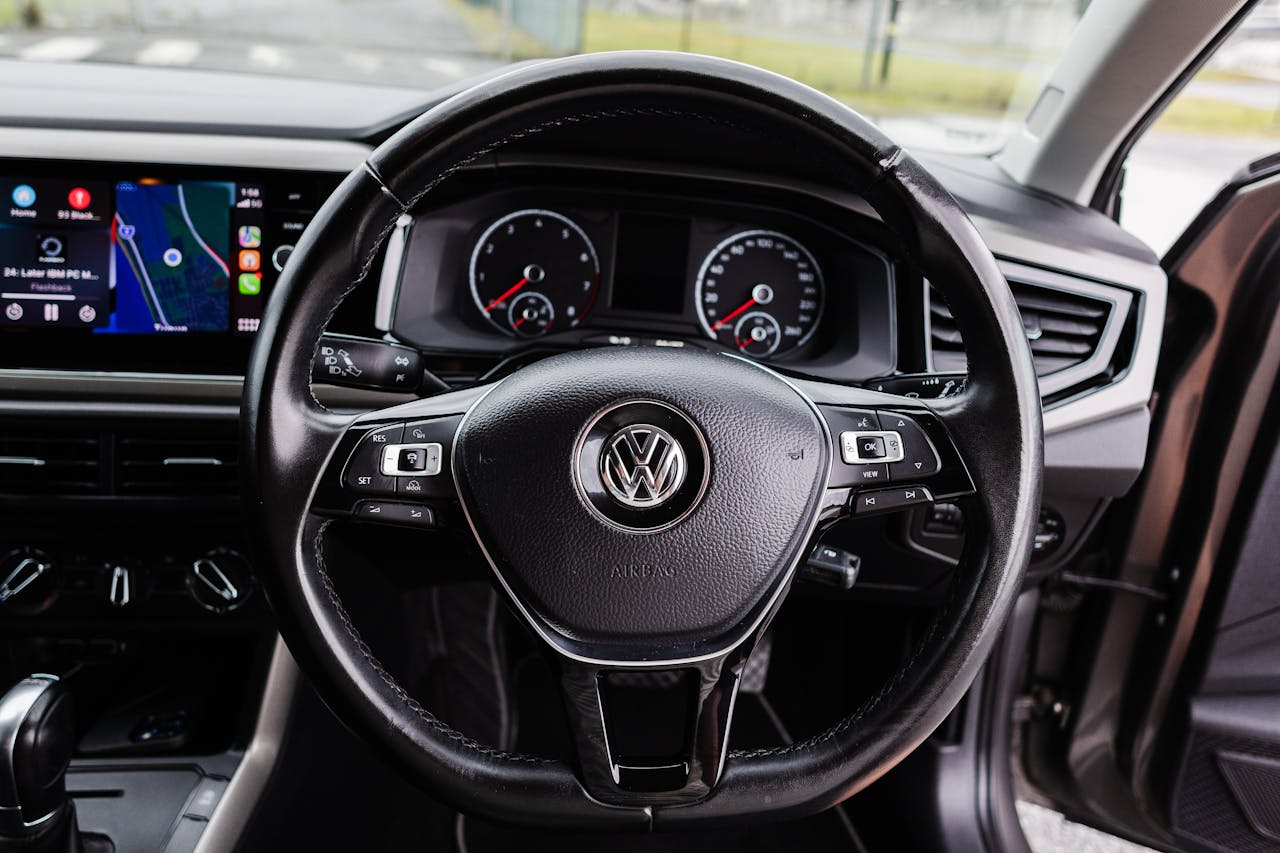
Buying a car is a big decision, and it’s essential to choose one that fits your needs and budget. When looking for a reliable vehicle, many people wonder if a certified pre-owned (CPO) car is a good option. Volkswagen Certified Pre-Owned vehicles offer many advantages, making them a smart choice for drivers seeking quality and peace of mind without the higher price tag of a new car. This guide will walk you through everything you need to know about VW CPO vehicles and why they may be the right choice for you and your family.
1. What Is a Volkswagen Certified Pre-Owned Vehicle?
A Volkswagen Certified Pre-Owned (CPO) vehicle is a used Volkswagen that has met high standards set by Volkswagen. These cars go through a detailed inspection and reconditioning process to make sure they are in excellent condition. Only Volkswagen models that are less than seven years old and have fewer than 75,000 miles on the odometer qualify for the CPO program. This ensures that buyers are getting a relatively new vehicle with low mileage.
Volkswagen CPO vehicles come with several benefits that give buyers peace of mind. Each CPO car includes a comprehensive warranty, which covers major components and offers extended protection beyond the original factory warranty. Additionally, buyers receive a detailed vehicle history report, which provides information on the car’s past, including any accidents or previous ownership details.
These features make Volkswagen CPO cars a reliable and value-packed option for anyone looking to buy a quality used vehicle. Buying a certified pre-owned Volkswagen means you can enjoy many of the advantages of a new car without the higher price tag. Whether it’s the peace of mind from knowing your car has been thoroughly checked or the extra perks that come with the CPO program, Volkswagen Certified Pre-Owned vehicles offer significant value.
2. Rigorous Inspection and Reconditioning Process
Volkswagen takes the inspection and reconditioning process for certified pre-owned vehicles very seriously. Each CPO vehicle goes through a detailed inspection that covers over 100 points. Skilled technicians check everything from the engine and transmission to the brakes and suspension. They also look at cosmetic details such as the paint job, interior condition, and features like the infotainment system and air conditioning.
During the reconditioning process, any parts that are worn or damaged are repaired or replaced to meet Volkswagen’s high standards. This might include replacing tires, brake pads, or other essential components. The goal is to bring the car as close to new conditions as possible. Technicians use genuine Volkswagen parts to ensure everything meets the manufacturer’s specifications.
After the inspection, the car goes through a detailed cleaning process. This includes both the interior and exterior to make sure it looks as good as it performs. The goal of this rigorous inspection and reconditioning process is to provide the buyer with a car that is reliable, safe, and ready to hit the road as soon as it leaves the dealership. When you buy a Volkswagen Certified Pre-Owned vehicle, you can rest assured that it has been thoroughly checked and reconditioned to offer you the best driving experience.
3. Benefits of Choosing a Volkswagen Certified Pre-Owned Vehicle
Comprehensive Warranty Coverage
One major benefit of choosing a Volkswagen Certified Pre-Owned vehicle is the comprehensive warranty coverage. This warranty extends beyond the original factory warranty, giving you added protection. It covers important components such as the engine, transmission, and drivetrain. If something goes wrong, you can get it fixed without worrying about huge repair costs. This extra coverage ensures your vehicle stays in good shape and keeps you on the road with peace of mind.
24-Hour Roadside Assistance
Another great perk of Volkswagen Certified Pre-Owned vehicles is the 24-hour roadside assistance. This service is available to you anytime, anywhere. If you find yourself with a flat tire, out of gas, or your car breaks down, help is just a phone call away. This assistance covers a range of services, including towing, battery jump-starts, and lock-out assistance. Knowing that you can get help at any hour gives you confidence and security on every trip, whether it’s a short commute or a long road trip.
Detailed Vehicle History Report
When you choose a Volkswagen Certified Pre-Owned vehicle, you also get a detailed vehicle history report. This report provides a clear picture of the car’s past, including previous owners, any accidents it may have been in, and service records. Having this information helps you make an informed decision. A clean history report means the car has been well-maintained and is less likely to have hidden problems. This transparency adds another layer of trust and assurance to your purchase.
Special Financing Offers
Volkswagen Certified Pre-Owned buyers often have access to special financing offers. These offers make buying a CPO vehicle more affordable. You might find lower interest rates or better lending terms compared to traditional used car loans. These special financing deals help you get a quality vehicle within your budget. It’s another way Volkswagen ensures you get the best possible value when buying a certified pre-owned car.
4. Why Buy Volkswagen Certified Pre-Owned at Smithtown Volkswagen?
Expert Guidance and Customer Service
Smithtown Volkswagen offers expert guidance and exceptional customer service when you’re shopping for a certified pre-owned vehicle. Our team is knowledgeable about Volkswagen CPO benefits and can help you choose the best vehicle for your needs. We listen to your preferences and provide detailed information so you can make an informed decision. Our friendly and helpful staff is dedicated to making your car-buying experience smooth and enjoyable.
Wide Selection of Volkswagen Certified Pre-Owned Vehicles
At Smithtown Volkswagen, you can explore a wide selection of certified pre-owned Volkswagens. We have a variety of models and trims, so you are sure to find a vehicle that fits your lifestyle and budget. From spacious SUVs like the Tiguan to sleek sedans like the Jetta, we offer many options to suit different needs. Each car on our lot has passed the rigorous CPO inspection and reconditioning process, ensuring you get a top-quality vehicle.
Easy and Convenient Buying Process
We strive to make the buying process as easy as possible at Smithtown Volkswagen. Our team assists you through each step, from the initial search to finalizing your purchase. We offer straightforward financing options and will help you understand the benefits of each. Transparency is key, so we ensure you know all the details about your vehicle and the purchase process. Our goal is for you to drive away happy and confident in your new certified pre-owned Volkswagen.
Conclusion
Choosing a Volkswagen Certified Pre-Owned vehicle is a smart move for anyone looking for a reliable and budget-friendly car. With benefits like comprehensive warranty coverage, 24-hour roadside assistance, and detailed vehicle history reports, you gain peace of mind and value. The rigorous inspection and reconditioning process ensures each vehicle is in top condition, so you can trust your purchase.
Smithtown Volkswagen is here to help you find the perfect CPO vehicle for your family. Our expert guidance, wide selection, and easy purchasing process make us the best choice for your next car. Visit us today to explore our certified pre-owned Volkswagen in Long Island and experience the difference for yourself. We’re committed to helping you find a car you’ll love.
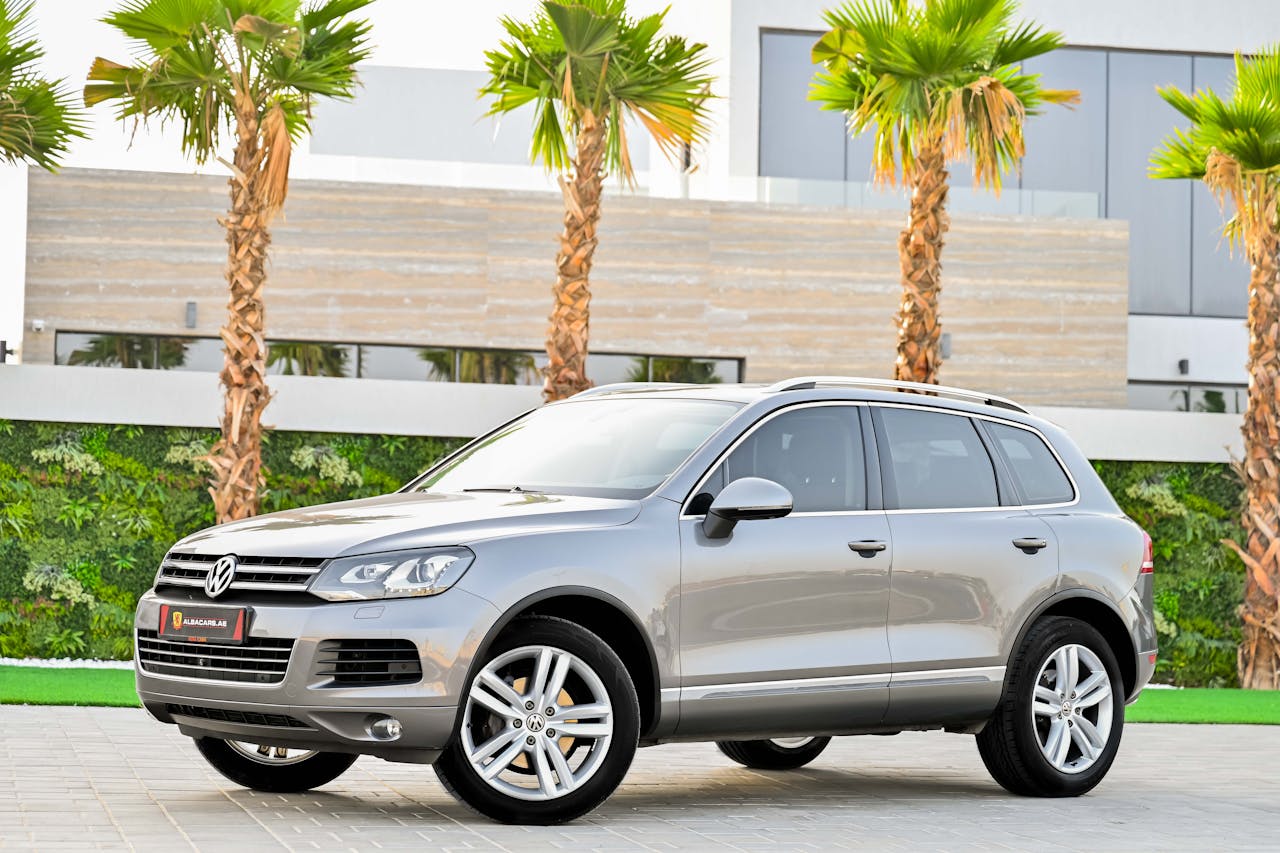
Choosing a reliable used Volkswagen for your family can be a rewarding but challenging task. It’s important to consider many factors to ensure the car meets all your family’s needs. Whether you’re upgrading from a smaller vehicle or adding a second car to the household, knowing what to look for helps you make an informed decision.
Consider Space and Seating Requirements
The first step in finding the perfect used Volkswagen for your family is to consider space and seating requirements. Think about how many people will regularly use the car. Do you have a large family that needs a vehicle with third-row seating, or will a smaller sedan suffice? If you need extra space for car seats, strollers, sports gear, or groceries, consider SUVs like the Volkswagen Tiguan or Atlas. These models offer ample legroom and cargo space, ensuring a comfortable ride for everyone.
Evaluate Safety Features and Ratings
Safety is a top priority when selecting a family vehicle. Be sure to evaluate the safety features and ratings of any used Volkswagen models you consider. Look for cars equipped with advanced safety features like automatic emergency braking, blind-spot monitoring, and lane-keep assist. Check the safety ratings from trusted organizations like the National Highway Traffic Safety Administration (NHTSA) and the Insurance Institute for Highway Safety (IIHS). Vehicles with high safety ratings and advanced features provide peace of mind, knowing your family is well-protected.
Assess Fuel Efficiency and Maintenance Costs
Another important factor to consider is the fuel efficiency and maintenance costs of the vehicle. Families often drive long distances, whether for road trips, school runs, or daily commutes. A fuel-efficient car can save you money on gas and reduce your environmental footprint. Models like the Volkswagen Jetta and Golf are known for their good fuel economy. Additionally, think about the cost of regular maintenance and potential repairs. Choose a model with a reputation for reliability and reasonable maintenance costs to keep your budget in check.
Explore Popular Volkswagen Models Suitable for Families
Start by exploring popular Volkswagen models known for being family-friendly. The Volkswagen Atlas is a top choice for larger families due to its spacious interior and third-row seating. For those who need a bit less space, the Volkswagen Tiguan offers a smaller SUV option with ample cargo room. The Passat, a midsize sedan, is also a great option for smaller families, offering a comfortable ride with plenty of trunk space.
Check Consumer Reviews and Reliability Ratings
Reading consumer reviews and reliability ratings can help you understand how a vehicle performs in real-world conditions. Websites like Edmunds and Consumer Reports provide detailed reviews from car owners, highlighting the pros and cons of each model. Pay special attention to any recurring issues mentioned in the reviews, as these can give you insight into potential problems. Reliability ratings help you gauge how well the vehicle holds up over time and its likelihood of needing major repairs.
Look for Certified Pre-Owned Options
Certified pre-owned (CPO) vehicles are an excellent choice for families looking for a reliable used car. Volkswagen’s CPO program includes cars that have undergone a thorough inspection and come with an extended warranty. These vehicles are usually newer models with low mileage, giving you the peace of mind that they are in good condition. CPO cars often come with added benefits such as roadside assistance and special financing offers, making them a smart option for family buyers.
Check Vehicle History Reports
Before you make a decision on a used Volkswagen, it’s crucial to check the vehicle’s history report. This report provides valuable information about the car’s past, including any accidents, repairs, and previous ownership. Services like Carfax and AutoCheck give you details on whether the car has a clean title and if it has been in any major crashes. Knowing the vehicle’s history helps you avoid cars with hidden problems and ensures you’re making a safe choice.
Perform a Thorough Inspection
A thorough inspection is key when buying a used car. Take your time to look over both the exterior and interior of the vehicle. Check for any signs of rust, dents, or paint issues on the exterior. Inside, make sure there are no rips or stains on the seats and that all features, like the air conditioning and infotainment system, are working correctly. It’s a good idea to bring along a trusted mechanic if you’re not confident in your ability to inspect.
Take a Comprehensive Test Drive
The test drive is your chance to see how the car performs on the road. Drive on different types of roads to get a feel for its handling, braking, and acceleration. Pay attention to any unusual sounds or vibrations. Test all the features, such as the brakes, steering, and electronics, to make sure everything works as it should. A comprehensive test drive helps you make sure the car is comfortable and fits your family’s needs.
Compare Prices and Financing Options
When you’ve found a few potential vehicles, compare their prices and financing options. Look at the asking prices for similar models from different dealerships to make sure you’re getting a fair deal. Check if there are any promotions or special financing offers available. Understanding your financing options can help you choose the best way to buy the car, whether it’s through a loan, lease, or paying cash.
Negotiate the Best Deal
Don’t be afraid to negotiate to get the best deal possible. Use the information you’ve gathered from price comparisons and vehicle inspections to support your case. Point out any issues you found during the inspection and what the car’s history report looks like. Negotiating can save you money or get you added perks, like free maintenance or an extended warranty. Stand firm but be willing to compromise to reach an agreement that works for both sides.
Understand the Warranty and Return Policy
Before finalizing your purchase, make sure you fully understand the warranty and return policy. A good warranty can save you money on repairs and provide peace of mind. Many certified pre-owned Volkswagens come with extended warranties that cover major components. Knowing the return policy is also important in case you encounter any issues with the car after buying it. Make sure you know what’s covered and for how long so you can make your purchase with confidence.
Conclusion
Finding the perfect used Volkswagen for your family involves careful consideration and research. By determining your family’s needs, researching reliable models, and carefully inspecting and test driving potential cars, you can make a smart purchase decision. Always compare prices and financing options, negotiate for the best deal, and understand the warranty and return policy to ensure you get the most value for your money.
Ready to find your family’s next car? Visit Smithtown Volkswagen today to explore our selection of reliable used Volkswagen cars for sale in Long Island. Our team is here to help you find the perfect fit for your family’s needs.
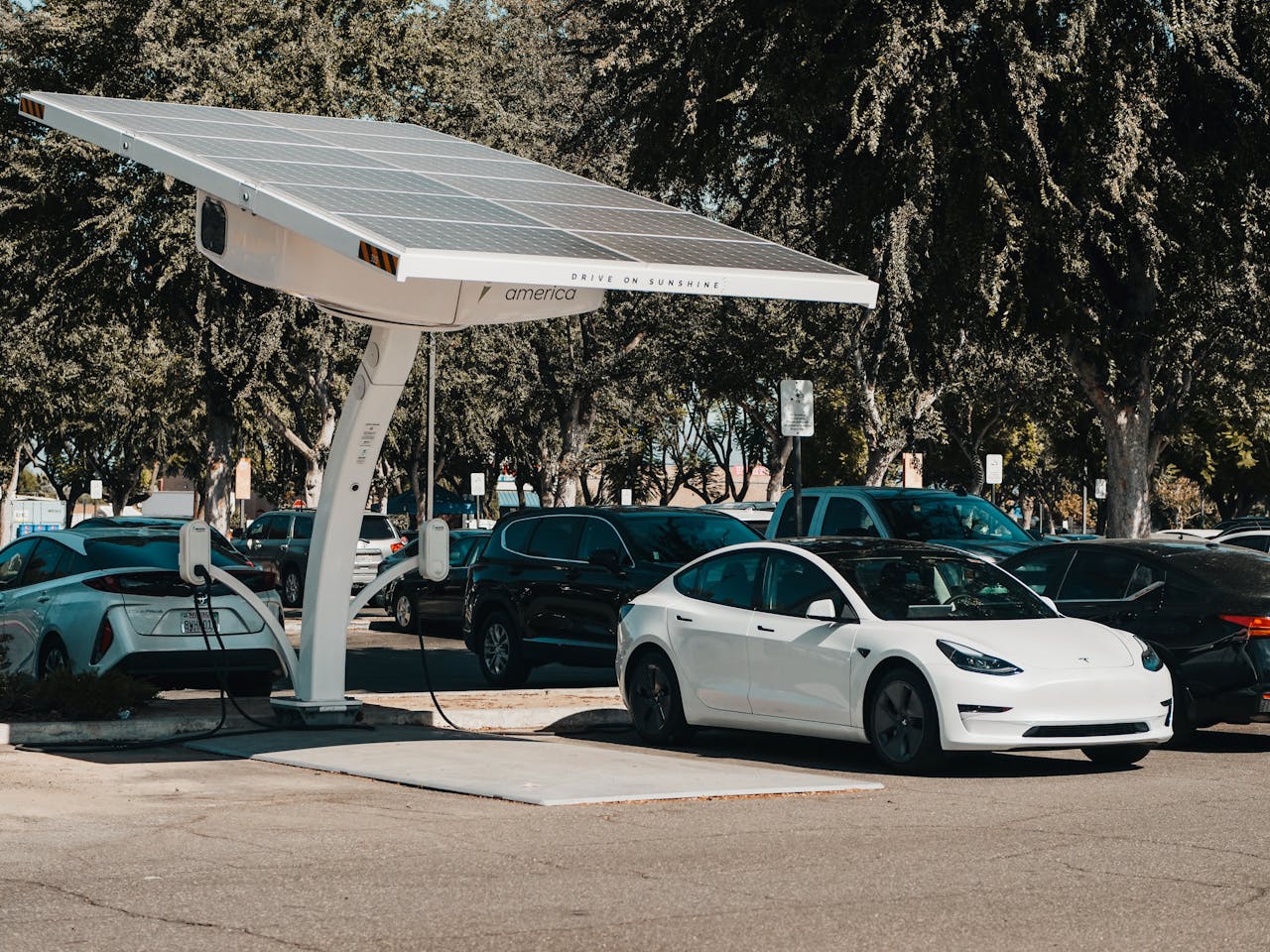
Electric cars are becoming more popular every year, and Volkswagen is leading the way with its innovative electric vehicles (EVs). These cars are not only better for the environment but also offer a smooth and quiet driving experience. If you’re considering an electric car, Volkswagen has a range of options that blend cutting-edge technology with the brand’s trusted reliability. From stylish designs to impressive performance, VW’s electric cars have a lot to offer.
In this article, we will delve into everything you need to know about Volkswagen’s electric cars. We’ll look at the different models available, the key features that make these cars stand out, and the benefits of driving electric. We’ll also cover tips on how to charge and maintain your VW electric vehicle to keep it running smoothly.
Overview of Volkswagen’s Electric Vehicle Lineup
Volkswagen offers several impressive electric vehicles, each designed to suit different needs and lifestyles. The most notable model in VW’s electric lineup is the ID.4, an all-electric SUV that combines practicality with advanced technology. The ID.4 offers spacious seating, a modern design, and a range of up to 250 miles on a single charge. Its versatile nature makes it a top choice for families and those looking for an everyday vehicle that’s both efficient and stylish.
Another exciting member of the lineup is the Volkswagen ID.Buzz, a modern take on the classic VW Microbus. The ID.Buzz stands out with its unique design and is perfect for those who want an electric vehicle with a bit of personality. This model offers plenty of room for passengers and cargo, making it a great option for trips and adventures.
Key Features and Technologies in VW Electric Cars
One of the standout features of Volkswagen electric cars is their advanced battery technology. VW uses high-capacity batteries that provide impressive ranges, allowing you to travel long distances on a single charge. These batteries are designed for durability and can handle regular charging cycles without significant loss of capacity. They also come with comprehensive warranties, giving you peace of mind.
Another key technology in VW electric cars is the regenerative braking system. This system captures energy that would normally be lost during braking and uses it to recharge the battery. This not only improves efficiency but also extends the range of the vehicle. The regenerative braking system works seamlessly with the car’s overall design, enhancing performance without sacrificing comfort.
Volkswagen electric cars also feature state-of-the-art infotainment systems. These systems offer touchscreen controls, voice commands, and various connectivity options like Apple CarPlay and Android Auto. This makes it easy to stay connected and entertained while on the go. Additionally, VW electric cars come equipped with advanced driver-assistance systems, including adaptive cruise control, lane-keeping assist, and parking assistance. These features enhance safety and make driving more convenient.
Lastly, the design of VW electric cars emphasizes aerodynamics to improve efficiency. Smooth lines and innovative materials reduce drag and help the vehicles achieve better mileage. The interiors are designed with eco-friendly materials, providing a comfortable and sustainable driving experience.
Benefits of Driving a Volkswagen Electric Car
Driving a Volkswagen electric car offers many benefits beyond just being eco-friendly. First, electric vehicles provide instant torque, which means you get quick acceleration and a smooth, responsive driving experience. This makes city driving more enjoyable and makes highway merging a breeze. The quiet operation of an electric motor also adds to the comfort, reducing cabin noise and making for a more relaxed ride.
Another great benefit is the cost savings. Electric cars are cheaper to run than traditional gasoline cars. You save money on fuel since electricity is generally less expensive than gas. Maintenance costs are usually lower, too, because electric cars have fewer moving parts. There’s no need for oil changes, and brake wear is reduced thanks to regenerative braking. These savings can add up over time, making an electric vehicle a smart financial choice.
Moreover, electric cars often come with incentives and rebates from the government, which can help offset the initial purchase price. These incentives make owning an electric vehicle even more affordable. Plus, driving a Volkswagen electric car means you’re doing your part to reduce emissions and promote a cleaner environment. This can make you feel good about your contribution to protecting the planet.
Charging and Maintaining Your VW Electric Vehicle
Charging your Volkswagen electric vehicle is easier than you might think. There are different charging options, including home charging stations, public charging stations, and even fast-charging stations. Most electric vehicle owners choose to install a home charging station for convenience. This allows you to charge your car overnight, ensuring it’s ready to go each morning. The installation process is straightforward, and many models come with incentives for installing home chargers.
Public charging stations are also widely available. Many are located in shopping centers, parking garages, and along major highways, making it easy to recharge while you’re out and about. Using apps and maps, you can easily find nearby charging stations and even check their availability and charging speeds. Fast-charging stations are another option for those on longer trips. These stations can recharge your car’s battery to 80% in about 30 minutes, making long-distance travel much more manageable.
Maintaining an electric vehicle is also simpler compared to traditional cars. Since there are fewer moving parts, there’s less wear and tear. Routine maintenance includes checking the battery, electric motor, and associated electronics. Regular software updates can keep your car’s systems running efficiently.
Conclusion
Volkswagen’s electric vehicles offer an exciting combination of advanced technology, cost savings, and environmental benefits. From their impressive lineup to their innovative features and the many advantages of driving electric, there’s a lot to love about VW’s electric cars. Whether you’re looking for a family-friendly SUV or a unique and stylish ride, Volkswagen has an electric vehicle that fits your needs.
If you’re ready to explore the best electric cars in Long Island or want to learn more about Volkswagen’s exciting offerings, look no further than Smithtown Volkswagen. Our knowledgeable staff is here to help you find the perfect electric car for your lifestyle. Schedule a test drive today and experience the future of driving with Smithtown Volkswagen.
Essential Maintenance Tips for Volkswagen Cars

Maintaining your Volkswagen is key to ensuring it runs smoothly and lasts for many years. Regular maintenance helps prevent costly repairs and keeps your car in top condition. Whether you drive a brand-new model or a trusted used Volkswagen, taking care of your vehicle is important. Knowing what to check and when can save you time, money, and a lot of headaches.
In this guide, we’ll explore some essential maintenance tips specifically for Volkswagen cars. From checking fluids to ensuring your electrical system is in top shape, we’ll cover everything you need to know to keep your car running at its best.
Regular Oil Changes and Fluid Checks
One of the most essential maintenance tasks for your Volkswagen is keeping up with regular oil changes. Your car’s engine relies on oil to stay lubricated and run efficiently. Over time, oil gets dirty and loses its effectiveness. Changing the oil helps remove contaminants and keeps your engine in good shape. For most Volkswagens, an oil change is recommended every 5,000 to 10,000 miles, depending on your driving habits and the type of oil used. Always refer to your owner’s manual for the recommended interval.
Besides the engine oil, you should also regularly check and top off other essential fluids. These include the coolant, brake fluid, power steering fluid, and windshield washer fluid. Coolant helps keep the engine from overheating, while brake fluid ensures your braking system works correctly. Low power steering fluid can make steering difficult, and clean windshield washer fluid is necessary for clear visibility. Keeping an eye on these fluids and ensuring they are at proper levels can prevent bigger problems down the road and keep your car running smoothly.
Performing these simple checks monthly can save you from significant headaches later. A good practice is to inspect the fluids whenever you fill up your gas tank. Always keep a bottle of each type of fluid handy so you can top it off as needed. Taking these small steps can make a big difference in maintaining your Volkswagen’s performance and longevity.
Tire Maintenance and Rotations
Next on the list are tire maintenance and rotations. Properly maintained tires are essential for safety and efficiency. Start by regularly checking your tire pressure. Under-inflated tires can cause poor handling and increase fuel consumption, while over-inflated tires can lead to a rough ride and uneven wear. Use a tire pressure gauge to check the pressure monthly and ensure it matches the recommended levels stated in your car’s manual or the sticker inside the driver’s door.
Rotating your tires is also vital. This process helps ensure even wear and extends the life of your tires. Tire rotation involves moving the tires from one position to another, such as front to back or diagonally. It’s generally recommended to rotate your tires every 5,000 to 7,500 miles. Doing this helps prevent uneven tread wear, which can affect your car’s handling and comfort. Regular rotations can also improve fuel efficiency and increase the lifespan of your tires, saving you money in the long run.
Additionally, periodically checking the tread depth is crucial for your safety. Tires with low tread can’t grip the road well, especially in wet conditions, leading to a higher risk of skidding. Use a tread depth gauge or the penny test to check: insert a penny with Lincoln’s head upside down into the tread; if you can see the top of Lincoln’s head, it’s time to replace your tires. Taking care of your tires through regular maintenance and rotations ensures your car remains safe and performs well on the road.
Brake System Inspections
Your Volkswagen’s brake system is one of the most crucial components for safe driving. Regular brake inspections help ensure that your brakes are in good working order and can prevent accidents. Start by checking the brake pads. They should be inspected every 10,000 miles to ensure they haven’t worn too thin. Worn brake pads can lead to decreased braking performance and damage to the brake rotors. If you hear a squealing noise when you brake, it’s a sign that the pads may need replacing.
Next, inspect the brake fluid levels. Brake fluid plays a vital role in the braking system by transferring the force from your brake pedal to the brake pads and discs. Low brake fluid can cause your brakes to feel spongy and less responsive. Check the brake fluid reservoir regularly and top it off if necessary. Make sure the fluid color is clear or light yellow; dark or dirty fluid may indicate it’s time for a brake fluid change.
Also, don’t forget to have the brake rotors and calipers inspected. Rotors can warp over time due to heat and cause vibration when braking. Calipers can also seize, leading to uneven brake wear and reduced effectiveness. Regular brake system inspections help you catch these issues early, ensuring you stay safe on the road. Keeping your braking system in top shape is essential for your safety and the longevity of your Volkswagen.
Keeping Your Volkswagen’s Electrical System in Top Shape
The electrical system in your Volkswagen is responsible for many important functions, from starting the engine to powering lights and accessories. Keeping this system in top shape is essential for the smooth operation of your vehicle. Begin by inspecting and maintaining the battery. Check the battery terminals for any signs of corrosion and clean them regularly. Ensure the battery is securely mounted and test its voltage periodically to make sure it’s holding a charge.
Next, inspect the fuses and replace any that are blown. Fuses protect the electrical circuits in your car from damage caused by overloads or short circuits. Keep a few spare fuses in your car so you can replace them when needed. Also, check the alternator, which charges the battery and powers the electrical system while the engine runs. If your headlights dim or you hear a whining noise, your alternator might need attention.
Additionally, pay attention to the wiring and connections in your vehicle. Loose or damaged wires can cause electrical issues that affect various parts of your car. Inspect the wiring regularly and have any problems fixed by a professional. Keeping the electrical system in good condition ensures all the electronic components in your Volkswagen work correctly, from the infotainment system to the power windows and locks.
Conclusion
Maintaining your Volkswagen is essential for its performance, safety, and longevity. Regular oil changes, fluid checks, tire maintenance, brake inspections, and electrical system care are key tasks that keep your car running smoothly. By staying on top of these maintenance tips, you can enjoy a safer, more reliable driving experience and avoid costly repairs down the road.
At Smithtown Volkswagen, we’re here to help you with all your maintenance needs. Visit us today to ensure your Volkswagen stays in top condition for years to come. Schedule your Volkswagen maintenance in Long Island today and experience the difference quality maintenance can make!
Find a Reliable Used Volkswagen Easily
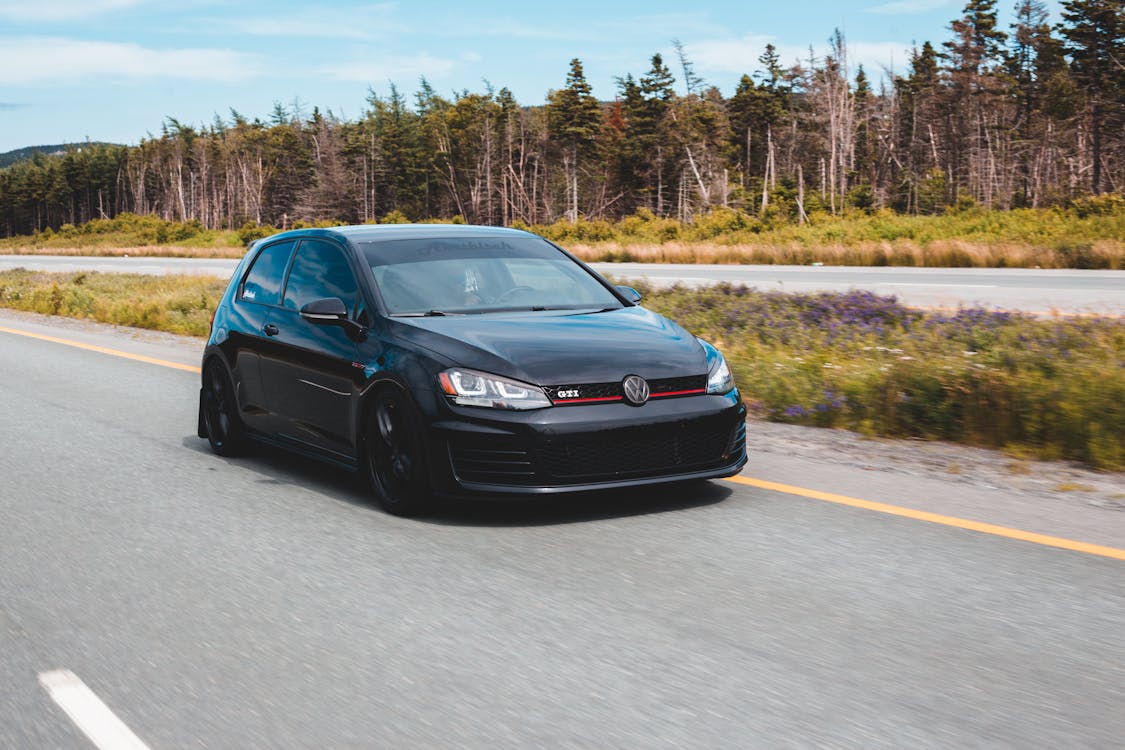
Finding a reliable used Volkswagen can be a rewarding experience if you know what to look for. Whether you’re searching for a daily driver or a second car for your family, a well-maintained used Volkswagen offers great value and performance. We know how important it is to find a car that suits your needs without running into unexpected problems down the line.
One of the first things to consider is the abundance of certified pre-owned options available. Certified pre-owned Volkswagens come with warranties and have undergone thorough inspections, offering peace of mind. This step helps ensure that your chosen vehicle meets high standards of quality and reliability.
Another crucial step in your search is to check the vehicle’s history report. This report gives you a detailed account of the car’s past, including previous ownership, accidents, and service history. By reviewing this report, you can avoid cars that may have hidden issues.
We will also guide you on how to inspect the car thoroughly, even if you’re not a mechanic. Simple checks like looking at the tire condition, examining the interior, and taking a test drive can reveal a lot about the car’s condition.
Understanding financing and warranty options is also key. Knowing your options can help you make an informed decision that suits your financial situation. Ready to dive in? Let’s explore the best ways to find a reliable used Volkswagen.
Researching Certified Pre-Owned Options
One of the best ways to find a reliable used Volkswagen is by exploring certified pre-owned (CPO) options. CPO vehicles come with several benefits that can make your car-buying experience smoother and more reassuring.
Certified pre-owned Volkswagens have passed a rigorous inspection process. This inspection ensures that each vehicle meets high standards of quality and performance. For a car to be certified, it often undergoes detailed checks of the engine, transmission, brakes, and even cosmetic things like the interior and exterior condition. Knowing that a professional has verified these aspects can give you confidence in your purchase.
Additionally, certified pre-owned Volkswagens come with extended warranties. These warranties cover various essential components and systems for a longer period compared to non-certified used cars. Having an extended warranty means that if something goes wrong, you’ll likely save on repair costs.
Many certified pre-owned vehicles also offer additional perks such as roadside assistance and financing deals. These extra benefits provide greater security and convenience, ensuring that you have support if you encounter any issues while on the road.
By opting for a certified pre-owned Volkswagen, you can enjoy the reliability of a verified vehicle, backed by warranty and additional benefits, making it a smart choice for anyone looking to buy a dependable used car.
Checking Vehicle History Reports
Before finalizing your decision on a used Volkswagen, checking the vehicle history report is essential. This report provides valuable insights into the car’s past, helping you avoid potential headaches down the road.
A vehicle history report details previous ownership, accident history, and service records. This information is crucial for understanding how well the car was maintained. For example, frequent maintenance and services suggest good upkeep, whereas gaps in service records may raise red flags.
Look for signs of accidents or major repairs. While minor fender-benders are common, cars involved in significant accidents might have lasting issues even after repairs. Structural damage can affect the car’s performance and safety, making the history report a critical tool in your decision-making process.
The history report also alerts you to any recalls or manufacturer defects. It’s essential to check if these issues were addressed properly. Any unresolved recalls should be a point of concern, and you should discuss it with the seller.
Verifying the mileage is another important aspect. The mileage on the odometer should match the information in the history report. Discrepancies can indicate tampering, which is illegal and a sign that the car may not be trustworthy.
By thoroughly reviewing the vehicle history report, you can make an informed choice and feel confident that you’re getting a reliable used Volkswagen.
Inspecting the Car Thoroughly
Inspecting the car thoroughly is a critical step in finding a reliable used Volkswagen. This process helps you spot potential problems before making a purchase.
Start with a visual inspection. Check the exterior for signs of rust, dents, or scratches. Pay close attention to the panels and paintwork to see if there are any differences that might indicate the car has been repainted after an accident. Inspect the tires for even wear and check the tread depth. Uneven wear can signal alignment issues or suspension problems.
Move on to the interior. Examine the seats, carpet, and dashboard for any signs of wear and tear. Make sure all electronics like the radio, air conditioning, and power windows are functional. Look for any warning lights on the dashboard, as these can point to underlying issues.
Next, take the car for a test drive. During the drive, listen for any unusual noises like clunking or squeaking. Pay attention to how the car handles and brakes. It should drive smoothly without pulling to one side or vibrating excessively. Test the acceleration and make sure the transmission shifts smoothly.
Finally, consider having a trusted mechanic inspect the car. A professional can identify issues that might be missed during a basic inspection. This step can provide peace of mind and ensure you are making a smart purchase.
Understanding Financing and Warranty Options
Understanding financing and warranty options is another important part of buying a used Volkswagen. Knowing your options can help you make a confident and informed decision.
Start by exploring different financing options. Look at what your bank or credit union offers and compare their rates with those available at the dealership. Getting pre-approved for a loan can also simplify the buying process and give you a better idea of your budget.
Next, consider the warranty options available. Certified pre-owned Volkswagens often come with extended warranties, which cover major components and systems. Understand what is included in the warranty and whether there are any additional costs. Some dealers might offer additional warranty plans for purchase, which can provide extra coverage and peace of mind.
Also, ask about any add-ons or benefits that come with financing through the dealership. Some deal packages might include things like free oil changes or discounted services. These perks can add value to your purchase and help you maintain your car more affordably.
Taking the time to understand your financing and warranty options ensures that you make a smart financial decision and get the most out of your used Volkswagen purchase.
Conclusion
Finding a reliable used Volkswagen involves several crucial steps, each ensuring you secure a vehicle that meets your needs and expectations. From researching certified pre-owned options to reviewing vehicle history reports, thorough inspection, and understanding financing and warranty options, each step is vital.
Investing time in these areas helps you avoid potential issues and ensures you get the most value from your purchase. By following these guidelines, you can confidently choose a used Volkswagen that offers reliability, performance, and satisfaction.
Explore our extensive inventory of certified pre-owned Volkswagen cars. Our knowledgeable team is here to assist you every step of the way, making your car-buying journey smooth and enjoyable. Find your perfect used Volkswagen today at Smithtown Volkswagen!
Essential Volkswagen Service Parts You Need
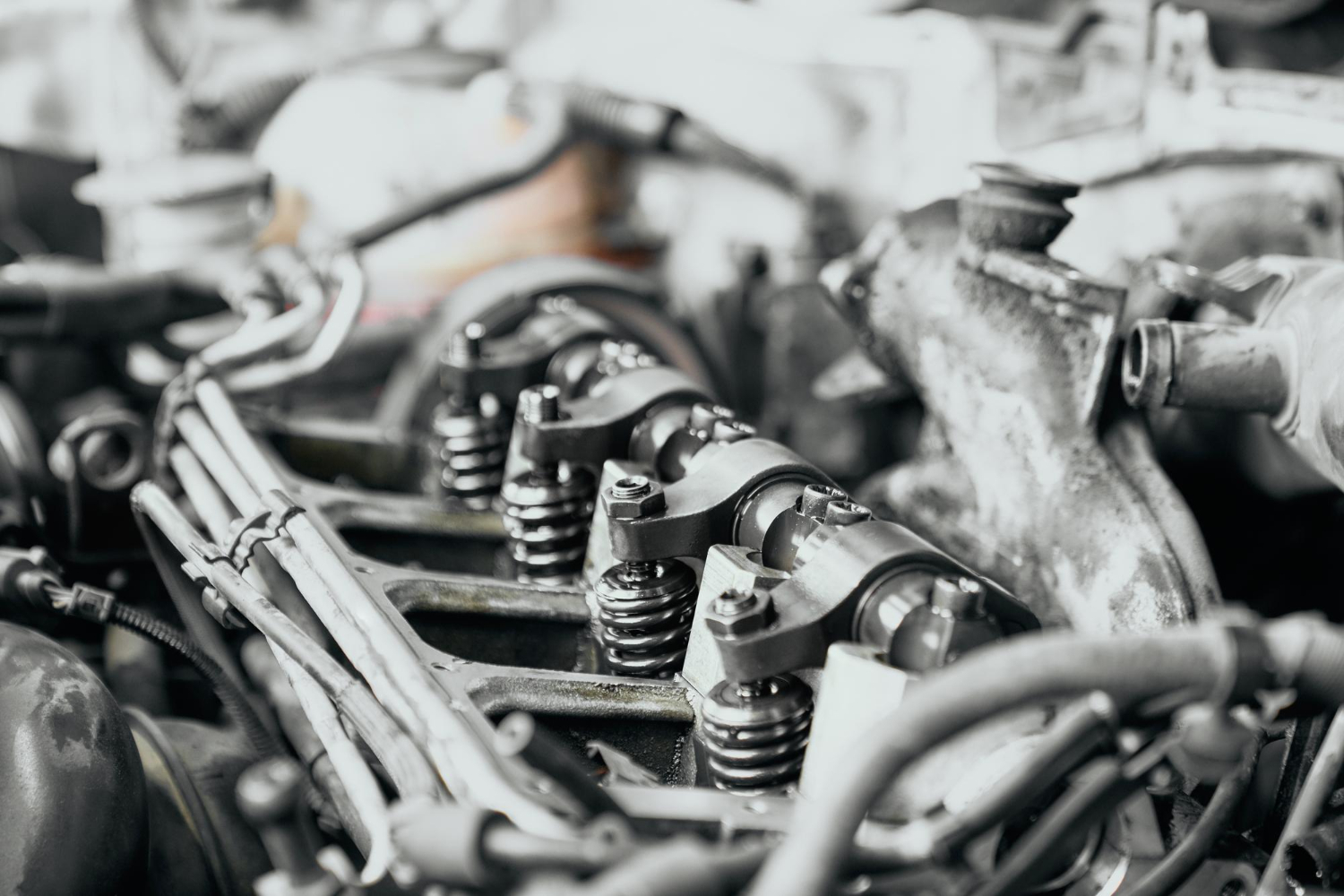
Keeping your Volkswagen in top condition requires understanding the essential service parts that keep it running smoothly. Whether you’re driving a reliable Jetta or a versatile Tiguan, knowing which parts need regular attention can help you maintain your vehicle’s performance and longevity. Regular maintenance and timely replacements of these parts ensure that your Volkswagen stays safe and reliable on the road.
Many drivers focus only on oil changes and tire rotations, but several other parts play a crucial role in your car’s operation. From the engine and transmission to the braking and electrical systems, each component needs proper care. Ignoring these can lead to costly repairs and unexpected breakdowns. Understanding these parts also helps you communicate better with your mechanic and make informed decisions about your car’s maintenance.
In this article, I’ll highlight some of the key service parts of a Volkswagen vehicle. We’ll cover the engine and transmission components, braking system parts, suspension and steering elements, and essential electrical system parts. By the end, you’ll have a clearer picture of what keeps your Volkswagen running smoothly and what you need to pay attention to during routine maintenance. This knowledge not only helps in maintaining your vehicle but also ensures a safer and more enjoyable driving experience.
Engine and Transmission Parts
The engine and transmission are the heart and soul of your Volkswagen, making sure your car functions smoothly and efficiently. Regular maintenance of these parts keeps your vehicle performing well and prolongs its life.
The engine suffers wear and tear over time, so keeping an eye on parts like the timing belt, spark plugs, and air filters is essential. The timing belt ensures that the engine’s valves open and close at the correct intervals. Replacing it before it breaks can save you from costly repairs. Spark plugs ignite the air-fuel mixture in the engine, and worn-out plugs can lead to misfires and poor performance. Air filters keep dust and debris from entering the engine, maintaining optimal air quality for combustion.
The transmission system is just as vital. The transmission fluid needs to be checked and replaced regularly to ensure that your car shifts gears smoothly. Another key component is the clutch, in manual transmissions, which enables you to change gears seamlessly. Keeping these parts in good shape helps maintain fuel efficiency and ensures a smoother driving experience.
Braking System Components
Your Volkswagen’s braking system is crucial for your safety, so understanding the main components can help keep your brakes in top condition. Regular inspections and timely replacements of worn parts ensure that your vehicle stops effectively when you need it to.
Brake pads are one of the most critical parts. These pads press against the brake discs or rotors to slow down your vehicle. Over time, they wear out and need replacing to maintain proper braking performance. Most Volkswagen models have a brake pad wear indicator that alerts you when it’s time for a change.
Brake rotors are another essential component. These metal discs work with the brake pads to stop the car. They can become warped or worn out with use, affecting braking efficiency. Regularly checking and replacing rotors when necessary keeps your brakes functioning correctly.
Brake fluid is also important. It transmits the force from your brake pedal to the braking system. Low or contaminated brake fluid can lead to poor braking performance. Topping up or replacing the brake fluid as needed ensures that your brakes respond promptly when you press the pedal.
Maintaining these braking system components keeps you and your passengers safe, providing peace of mind every time you drive your Volkswagen.
Suspension and Steering Components
The suspension and steering systems in your Volkswagen ensure a comfortable and controlled ride, even on bumpy roads. Maintaining these components keeps your vehicle stable and responsive to steering inputs.
Shock absorbers and struts are key parts of the suspension system. They absorb and dampen the impact of road irregularities, providing a smoother ride. Worn-out shock absorbers can lead to a bouncy and uncomfortable ride, and can also affect handling. Regular inspections and replacing them when necessary can maintain ride quality and safety.
Steering components like the power steering pump and tie rods are essential for precise control of your car. The power steering pump ensures you can steer the car with ease, while tie rods transfer the motion of the steering wheel to the wheels. Any wear or damage to these parts can make steering difficult and unsafe. Regularly checking the power steering fluid and inspecting the tie rods for wear can help you avoid steering issues.
Suspension bushings are another important part. These rubber or polyurethane parts reduce vibration and noise while ensuring the suspension components work properly. Worn bushings can lead to poor handling and increased wear on other parts. Replacing them when needed keeps your suspension system in good working order.
Electrical System Parts
The electrical system in your Volkswagen powers many critical functions, from starting the engine to running the infotainment systems. Keeping these components in good shape is vital for reliable operation.
The battery is the heart of the electrical system. It provides the power needed to start the engine and run electrical accessories. Regularly checking the battery terminals for corrosion and testing the battery’s charge can prevent starting issues. Replacing the battery every few years ensures consistent performance.
The alternator works hand-in-hand with the battery, keeping it charged while you drive. A failing alternator can lead to a dead battery and leave you stranded. Paying attention to warning signs like dimming headlights or a battery warning light on the dashboard can help you catch issues early.
Fuses and relays are another crucial part of the electrical system. They protect the electrical circuits from overloads and ensure everything runs smoothly. Blown fuses or faulty relays can cause various problems, from non-working headlights to issues with the infotainment system. Regularly checking and replacing fuses and relays as needed keeps your electrical system functioning correctly.
Conclusion
Understanding and maintaining the essential service parts of your Volkswagen can keep your vehicle running smoothly and prolong its lifespan. From the engine and transmission to the suspension, steering, braking, and electrical systems, each component plays a critical role in your car’s performance and safety. Regular maintenance and timely replacements can prevent costly repairs and ensure a safe and enjoyable driving experience.
By staying on top of these parts, you ensure that your Volkswagen remains reliable and efficient. If you’re unsure about the condition of any of these components, a professional inspection can provide peace of mind.
For detailed inspections, expert advice, and top-quality Volkswagen car parts in Smithtown, visit Smithtown Volkswagen. Our skilled technicians can help you keep your Volkswagen in perfect working condition. Schedule your service appointment today and give your car the care it deserves.
Easy Ways to Improve Your Volkswagen’s Lifespan
Owning a Volkswagen is a joy, but like any vehicle, it needs proper care to last a long time. Keeping your Volkswagen in top shape ensures it runs smoothly for many years. Regular maintenance and simple checks can make a big difference in extending the life of your car. By paying attention to a few key areas, you can enjoy a reliable and efficient ride for years to come.
Routine maintenance is the foundation of a long-lasting vehicle. Small things like checking the oil, rotating the tires, and monitoring the battery can prevent major problems down the road. Your Volkswagen’s owner’s manual is a great resource for understanding when and what kind of maintenance is needed.
In addition to regular check-ups, caring for your car’s tires, engine, and battery are crucial steps. Proper tire care can improve fuel efficiency and keep you safe on the road. Keeping the engine healthy involves more than just oil changes; it’s also about listening to your car and addressing minor issues before they become major repairs. Maintaining the battery ensures your car starts every time you need it.
By focusing on these key areas, you can keep your Volkswagen running like new. Simple, regular attention to your car can prevent costly repairs and keep your driving experience enjoyable. Let’s dive into some easy ways to improve your Volkswagen’s lifespan.
Regular Maintenance Checks
Regular maintenance checks are vital for keeping your Volkswagen in top condition. One of the simplest and most important tasks is changing the oil regularly. Clean oil keeps the engine running smoothly and helps prevent wear and tear. Check the oil level monthly and top it off if needed. Follow the manufacturer’s recommendations for oil change intervals—typically every 5,000 to 7,500 miles.
Don’t forget to check the fluids in your Volkswagen. This includes engine coolant, brake fluid, transmission fluid, and windshield washer fluid. Keeping these topped off ensures that your car operates efficiently and safely. Inspect your car’s belts and hoses during these checks. Worn belts can snap, and leaking hoses can cause engine overheating.
Pay attention to the brakes. Squeaking or grinding noises signal that it’s time for brake maintenance. Check the brake pads, rotors, and fluid levels regularly. Listening to your car can help catch problems early, preventing costly repairs later.
Proper Tire Care
Tire care is another essential part of maintaining your Volkswagen. Well-maintained tires provide better fuel efficiency, a smoother ride, and increased safety. Start by checking tire pressure monthly. Under-inflated tires can cause poor fuel economy and uneven wear, while over-inflated tires can lead to a bumpy ride and reduced traction. Use a simple tire gauge to check and adjust the tire pressure to meet the recommended levels found in your owner’s manual.
Rotating your tires every 6,000 to 8,000 miles helps them wear evenly and last longer. This involves moving the tires from front to back and vice versa. Many tire shops offer free tire rotations with a purchase of tires or during regular service visits.
Finally, inspect the tire tread. Adequate tread depth is critical for maintaining traction on wet or icy roads. You can check the tread depth with a penny: insert it into the tread with Lincoln’s head upside down. If you can see the top of Lincoln’s head, it’s time to replace your tires. Proper tire care keeps your Volkswagen running smoothly and improves overall safety.
Keeping the Engine Healthy
A healthy engine is the heart of your Volkswagen. To keep the engine in good shape, start by changing the oil and oil filter regularly. Clean oil lubricates the moving parts and reduces friction, preventing wear and tear. It also helps in keeping the engine cool. Follow the manufacturer’s guidelines on oil change frequencies and types of oil to use.
Another crucial step is to replace the air filter. A clean air filter ensures the engine gets enough air to run efficiently. Dirty air filters can reduce performance and fuel efficiency. Check the air filter every 12,000 to 15,000 miles and replace it if it looks clogged or dirty.
Don’t forget to keep an eye on the engine’s cooling system. Overheating can cause serious damage to your engine. Make sure the coolant levels are sufficient and top them off if they are low. It’s also wise to flush and replace the coolant every two years to avoid corrosion and buildup.
Maintaining the Battery
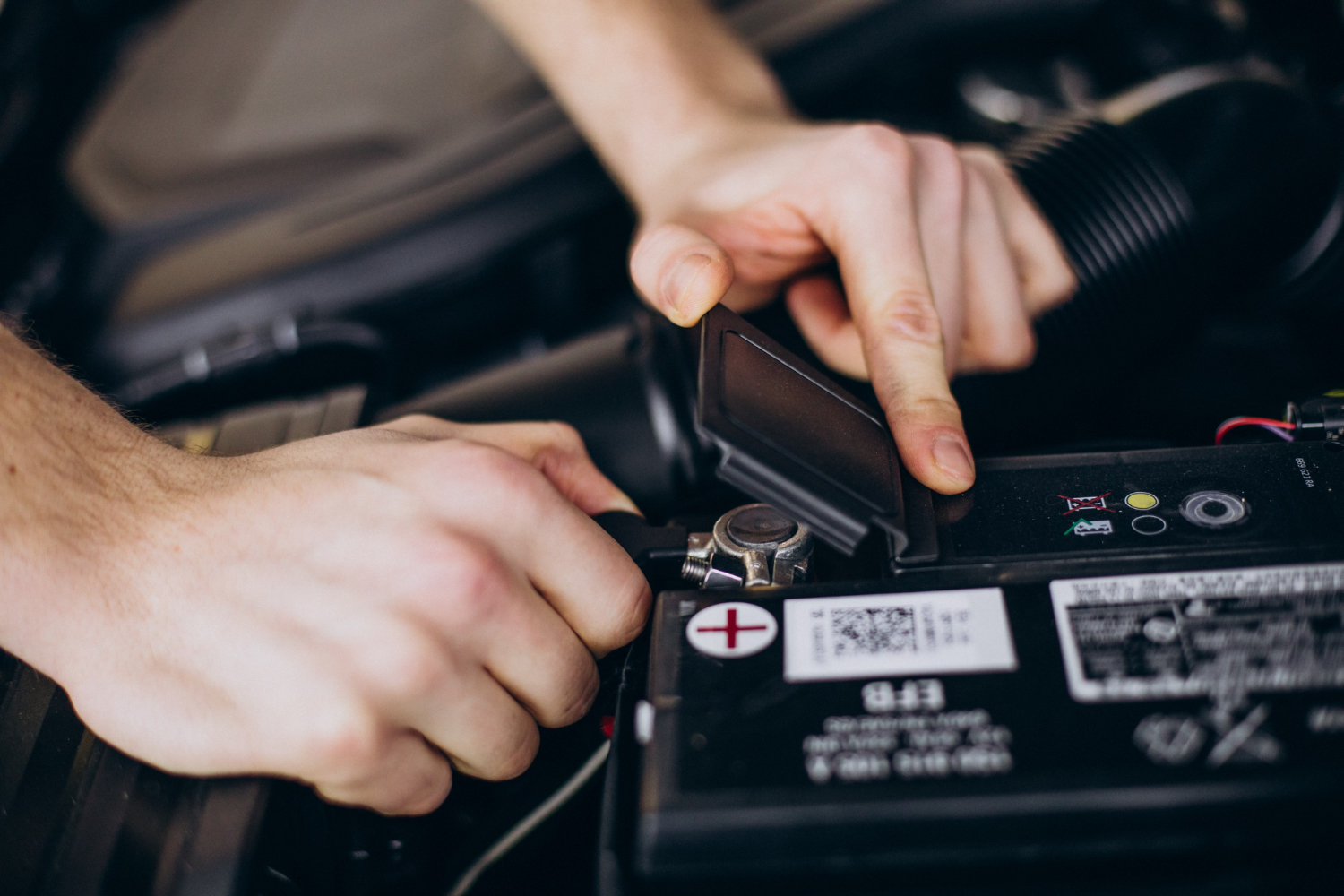
Your car’s battery is essential for starting the engine and powering electrical systems. To keep the battery in good condition, make sure the terminals are clean and free of corrosion. You can clean them with a mixture of baking soda and water. Tighten any loose connections to avoid starting issues.
Regularly check the battery’s charge and fluid levels. Many batteries have indicator lights or gauges that show if they are properly charged. If you have a maintenance-free battery, just check the indicator and ensure it shows a green light. For non-sealed batteries, check the fluid levels and top off with distilled water if necessary.
It’s also important to store your Volkswagen in a garage or a covered space during extreme weather conditions. Excessive heat or cold can drain the battery faster. If you don’t drive your car often, consider using a trickle charger to maintain the charge and extend the battery’s lifespan.
Conclusion
Taking care of your Volkswagen doesn’t have to be complicated. By focusing on regular maintenance checks, proper tire care, keeping the engine healthy, and maintaining the battery, you can extend the lifespan of your vehicle significantly. These simple, routine practices can save you a lot of money on repairs and ensure a smooth driving experience for many years to come.
When you give your Volkswagen the attention it needs, it will return the favor with dependable performance. Regular upkeep and simple checks go a long way in maintaining the car’s efficiency and reliability. Investing a little time and effort now can help avoid bigger issues later.
Ready to give your Volkswagen the best care possible? Visit Smithtown Volkswagen for expert advice, service, and Volkswagen replacement parts to keep your car in top shape. Our team is here to help you ensure your Volkswagen enjoys a long, healthy life on the road.
Choosing the Best Volkswagen for Your Drive
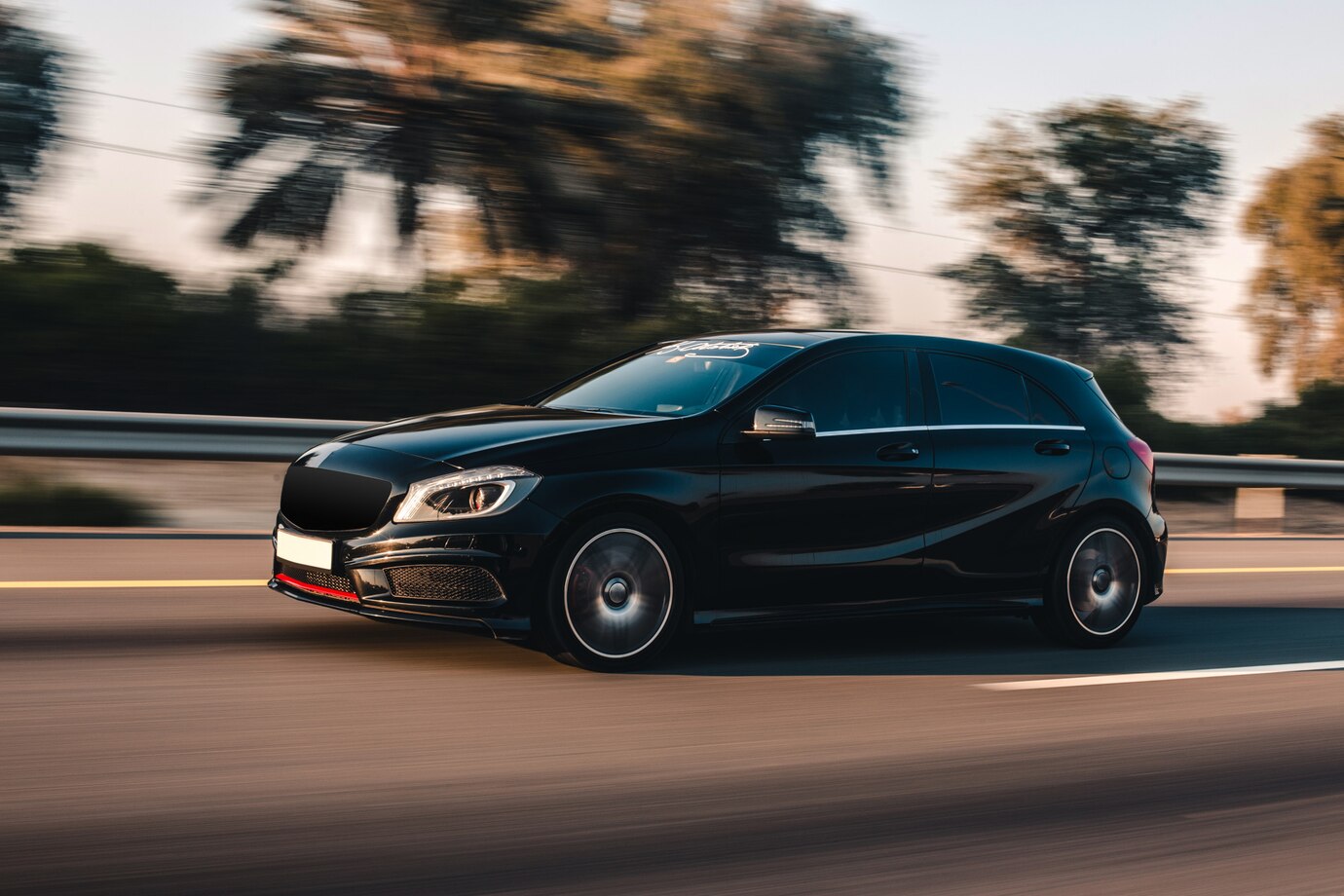
Choosing the right car for your daily drive is an important decision. Your car needs to be comfortable, reliable, and efficient to keep up with your busy lifestyle. If you’re considering a Volkswagen, you’re already on the right track. Volkswagen cars are known for their quality, innovation, and performance.
Understanding your daily driving needs is the first step in finding the perfect car. Do you commute long distances every day? Do you need extra space for family or cargo? Or are you looking for a fun and sporty ride? Volkswagen offers a range of models that can match any lifestyle, from efficient sedans to spacious SUVs.
In this guide, we’ll help you explore the best Volkswagen options for your daily drive. We’ll dive into the top models that are great for commuting, the efficiency and comfort features you should look for, and how to confidently test drive and make your final decision. This way, you can make an informed choice and enjoy every minute behind the wheel.
Understanding Your Daily Drive Needs
Before you choose a Volkswagen, think about your daily driving needs. Consider the distance you drive each day. If you have a long commute, you might want a car that offers great fuel efficiency. If your drive is mostly on city streets, a compact and nimble car could be the best choice.
Next, think about your lifestyle. Do you need extra space for carpooling kids or hauling gear? An SUV like the Volkswagen Tiguan or Atlas might be ideal. Do you prefer a sporty drive for your solo commute? A model like the Volkswagen Golf GTI can add fun to your daily routine.
Also, pay attention to the type of driving you do. If you often encounter heavy traffic, features like adaptive cruise control and lane assist can make your ride smoother and less stressful. Understanding these daily needs will help you narrow down your choices and find a Volkswagen that fits perfectly into your life.
Top Volkswagen Models for Commuting
Volkswagen offers a variety of models that excel in daily commuting. Here are some top choices:
1. Volkswagen Jetta: Known for its impressive fuel efficiency and comfortable ride, the Jetta is a great sedan for those who travel long distances to work. Its compact size makes parking a breeze, while still offering a roomy interior.
2. Volkswagen Tiguan: For those who need more space without sacrificing drivability, the Tiguan is a fantastic option. This compact SUV provides ample cargo space and comfortable seating for passengers, making it great for both daily drives and weekend adventures.
3. Volkswagen Golf GTI: If you want a sporty and energetic drive, the Golf GTI is a perfect choice. It combines performance and practicality with its turbocharged engine and hatchback design, offering ample cargo space and a thrilling driving experience.
4. Volkswagen ID.4: As Volkswagen’s flagship electric SUV, the ID.4 is perfect for eco-conscious commuters. It offers a smooth and quiet ride, advanced tech features, and the benefit of zero emissions.
These models each have unique strengths that can cater to different commuting needs. Whether you prioritize efficiency, space, sportiness, or sustainability, Volkswagen has a model that will enhance your daily drive.
Efficiency and Comfort Features to Consider
When choosing a Volkswagen for your daily drive, looking at efficiency and comfort features can make all the difference. Features like fuel economy, interior space, and tech enhancements can significantly impact your driving experience.
Fuel Economy: For long commutes, cars like the Volkswagen Jetta offer excellent fuel efficiency, helping you save money on gas over time. If you prefer an electric option, the Volkswagen ID.4 provides an eco-friendly alternative with zero emissions and impressive range.
Interior Space: Comfort inside the car is crucial, especially for long hours behind the wheel. Models like the Volkswagen Tiguan come with ample legroom and cargo space, making your ride more pleasant. Look for adjustable seats, ample headroom, and efficient use of space to ensure every trip is comfortable.
Tech and Connectivity: Modern Volkswagens are equipped with advanced infotainment systems. Features like Apple CarPlay, Android Auto, and touchscreen displays keep you connected and entertained. Additionally, driver-assistance systems like adaptive cruise control and lane-keeping assist add convenience and safety to your drive.
Comfort Features: Heated seats, dual-zone climate control, and high-quality upholstery can enhance your overall comfort. Consider models with these features if you frequently drive in varying weather conditions.
By prioritizing these features, you can find a Volkswagen that offers both efficiency and comfort, making your daily drive more enjoyable and less stressful.
How to Test Drive and Make Your Final Decision
Once you’ve narrowed down your options, it’s time to test drive and make your final decision. A test drive allows you to experience the car firsthand and see if it meets your needs.
Schedule a Test Drive: Visit your local Volkswagen dealer to schedule a test drive for the models you’re interested in. Make sure to bring your driver’s license and allow enough time to thoroughly test each car.
Focus on Comfort and Handling: During the test drive, pay attention to how comfortable you feel behind the wheel. Check the seat adjustments, visibility, and how easy it is to access controls. Also, take note of how the car handles different road conditions, including city streets and highways.
Test Tech Features: Explore the infotainment system, navigation, and connectivity features. Make sure everything works seamlessly and fits your needs. Test the sound system, and if available, try using voice commands and other tech functions.
Evaluate Practicality: Consider the practicality of the car for your daily needs. Check the cargo space, ease of entry and exit, and overall build quality. Think about how the car will perform in real-world situations.
After the test drive, take some time to reflect on your experience. Compare the features, comfort level, and overall feel of each model. This will help you make an informed decision and choose the Volkswagen that best suits your daily drive needs.
Conclusion
Selecting the perfect Volkswagen for your daily drive involves understanding your specific needs, exploring top models, and considering essential features. From the fuel-efficient Jetta to the spacious Tiguan and the eco-friendly ID.4, Volkswagen offers a range of options to fit any lifestyle.
By focusing on key factors like efficiency, comfort, and advanced technology, you can find a vehicle that enhances your daily routine. A thorough test drive will ensure you make the right choice, giving you confidence in your decision.
Ready to find your perfect Volkswagen? Visit Smithtown Volkswagen to explore our wide selection of new and used cars. The best Volkswagen dealership in New York is here to help you find a vehicle that makes every drive enjoyable. See you at Smithtown Volkswagen!
Top Tips for Buying a Used Volkswagen Car
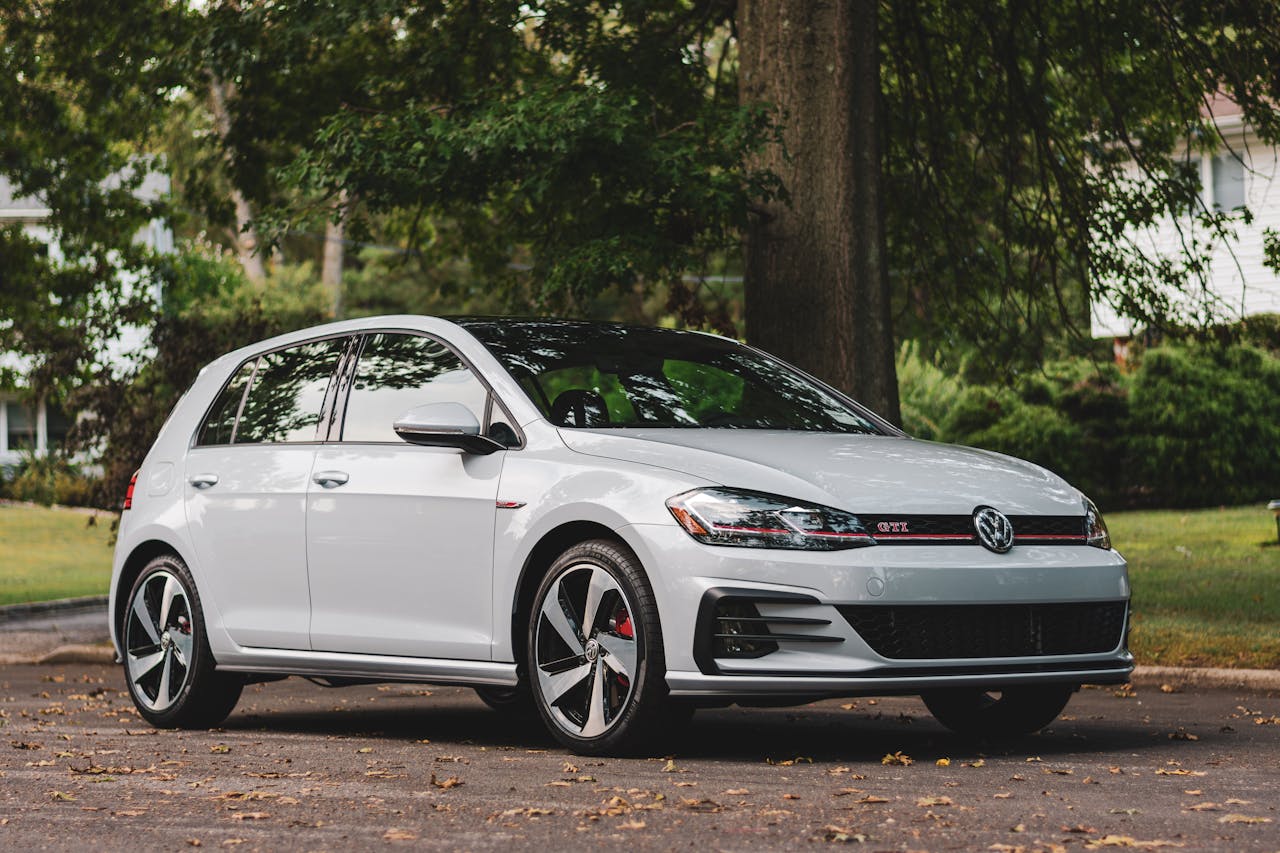
Buying a used car can be an exciting yet daunting experience. If you’re thinking about purchasing a used Volkswagen, you’re making a smart choice. Volkswagen cars are known for their reliability, performance, and timeless style. However, buying a used vehicle requires a bit more attention to detail compared to buying new. Understanding what to look for can make all the difference in finding a great deal on a reliable car.
One of the first steps in buying a used Volkswagen is doing your homework on the model and year. This includes understanding the car’s features, common issues, and what you should expect to pay. Knowing this information can help you avoid potential problems and negotiate a better price. It’s essential to take your time and gather as much information as possible before making a decision.
After doing your research, inspecting the vehicle’s condition is crucial. This involves examining the exterior and interior, checking for signs of wear and tear, and ensuring everything is in working order. Additionally, obtaining a vehicle history report will provide valuable insights into the car’s past, such as previous accidents or maintenance records. Finally, always take the car for a test drive and consider having a mechanic perform a thorough inspection. This will help you feel confident in your purchase and ensure you’re getting a car that will serve you well for years to come.
Research the Model and Year
When buying a used Volkswagen, the first step is to research the model and year you’re interested in. Different Volkswagen models offer various features and performance levels. By understanding the specifics of each model, you can better match them to your needs and preferences. For instance, if you prioritize fuel efficiency, you might look into the Volkswagen Jetta. If you need more space, the Volkswagen Tiguan could be a better fit.
Know the common issues associated with the model and year you are considering. Some years and models may have known problems that could influence your decision. Checking online forums, reading reviews, and looking at reliability ratings can give you an idea of what to expect. Additionally, see what features might have been improved or changed in different model years. This knowledge will guide you in choosing the best year model, balancing features, and reliability.
Finally, familiarize yourself with the price range for the model and year you want. Look at listings on various websites to see what similar cars are selling for. This will help you understand if a car is priced fairly and give you a stronger position when negotiating. Being well-informed can save you money and help you find a vehicle that meets your expectations.
Inspect the Vehicle’s Condition
Inspecting the vehicle’s condition is crucial when buying a used Volkswagen. Start with an exterior check. Look for signs of rust, dents, or paint scratches. Make sure the body panels line up correctly, as this can indicate whether the car has been in an accident. Don’t forget to check the tires for wear and tear.
Move to the interior next. Sit inside the car and check the upholstery for any rips, stains, or odd smells. Test the functionality of the seats, windows, locks, and other interior features. Turn on the car and make sure the dashboard lights and gauges work properly. Also, check the air conditioning and heating systems.
Don’t overlook the engine bay. Open the hood and take a look at the engine. Check for any leaks, bad wiring, or worn belts. This is where it might be helpful to bring along a friend who knows about cars or consult a trusted mechanic. They can spot issues that might not be obvious to you.
By thoroughly inspecting the vehicle’s condition, you can avoid buying a car with hidden problems and ensure you’re making a wise investment in your next Volkswagen.
Check the Vehicle History Report
A vehicle history report is like a car’s report card. It tells you about the car’s past, giving you valuable information before you make a purchase. One of the key things to look for on a vehicle history report is whether the car has been in any accidents. Even a minor accident can affect the car’s structure and performance.
Also, check if the car has had multiple owners. A car with fewer past owners is often better maintained. Look for service records to see if the car has been regularly serviced. Regular maintenance is a good sign that the car has been well taken care of. Skipping routine services can lead to bigger problems down the road.
Another important aspect is to see if the car has a salvage title. A salvage title means the car was considered a total loss by an insurance company at some point. While some salvage vehicles are restored well, they can still pose risks. Always approach salvage vehicles with caution. By checking the vehicle history report, you minimize the chances of buying a car with hidden issues.
Test Drive and Mechanical Inspection
Taking the car for a test drive is one of the best ways to assess its condition. When you get behind the wheel, pay attention to how the car starts. It should start easily without any weird noises. Next, check how the car feels while driving. The ride should be smooth, and there shouldn’t be any strange noises like rattling or squeaking.
Test the brakes to ensure they are responsive and don’t make any grinding noises. Also, notice how the car handles turns and if the steering feels right. An unresponsive steering wheel or unusual vibrations can be signs of issues. Don’t forget to try out all the features inside the car, like the radio, air conditioner, and lights, to make sure everything works.
Apart from the test drive, a mechanical inspection by a professional mechanic is crucial. A mechanic can diagnose issues that you might miss, like hidden engine problems or transmission issues. They can provide a detailed assessment of the car’s condition, helping you make an informed decision. Trusting an expert can save you a lot of money and trouble in the long run.
Conclusion
Buying a used Volkswagen can be a rewarding experience if you know what to look for. By researching the model and year, inspecting the vehicle’s condition, checking the vehicle history report, and taking the car for a thorough test drive and mechanical inspection, you can make a smart purchase. These steps help ensure that you get a reliable and well-maintained car that meets your needs.
Investing time in these precautions not only gives you peace of mind but also helps you avoid potential problems down the road. A well-informed buyer is a happy buyer, and knowing what to expect with your used Volkswagen can make the entire process smoother and more enjoyable.
For expert assistance and a wide selection of used Volkswagen cars, visit Smithtown Volkswagen. Our team is ready to help you find the perfect vehicle. Schedule a visit today and drive home in a car you can trust.
Connect with us


