


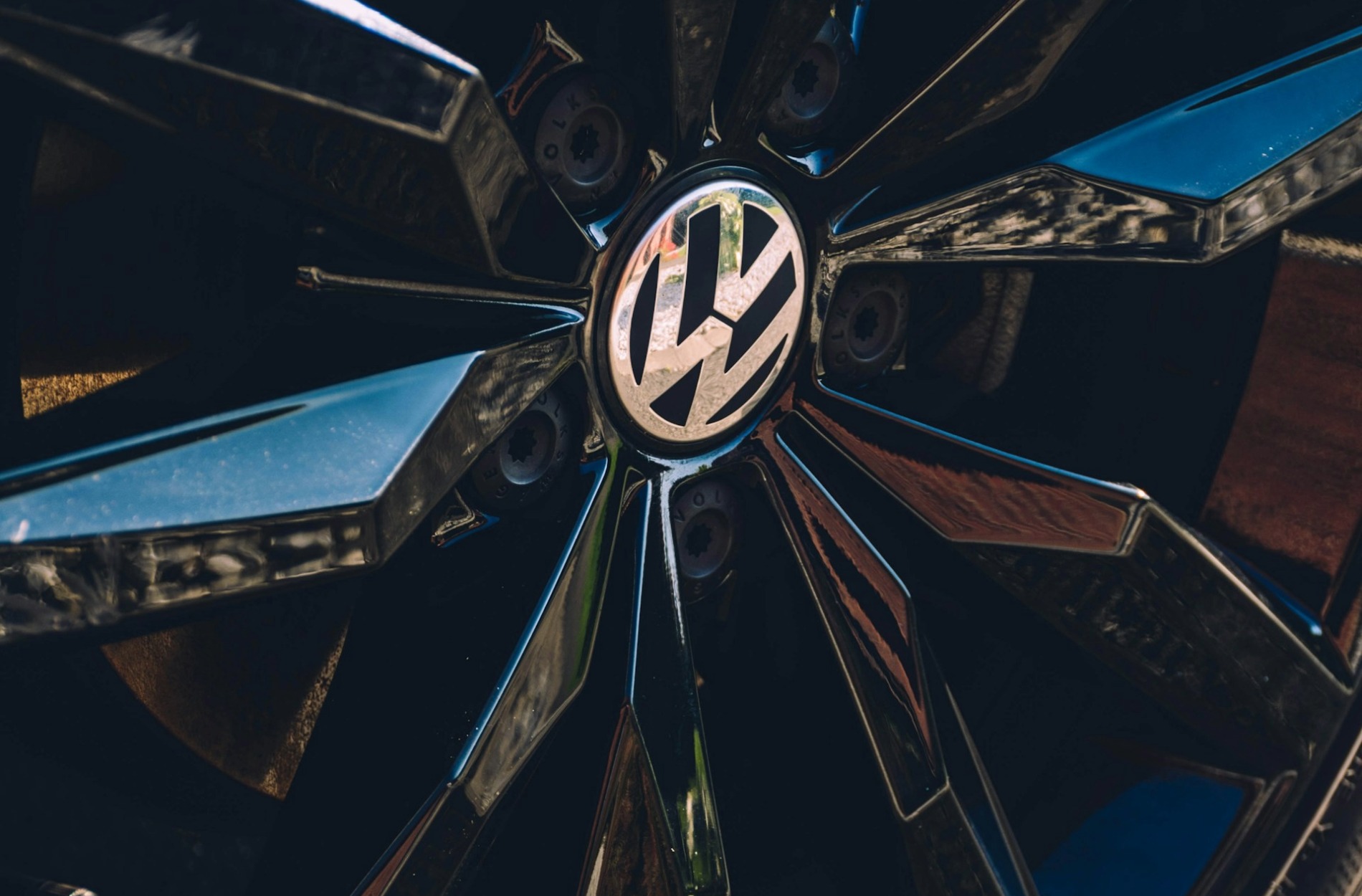
When you drive your Volkswagen, the last thing you want to hear is that annoying squeal from your brakes, especially after you’ve just replaced them. A squeal isn’t just an irritating noise; it can also be a sign that something isn’t quite right. Understanding what’s causing this noise can help you figure out the next steps and ensure your vehicle performs safely and efficiently.
Even after a recent brake pad replacement, several factors can still lead to squealing. It’s important not to ignore these sounds, as they may hint at underlying issues needing attention. Whether it’s due to high temperatures, improper installation, or simply choosing the wrong components, each reason requires careful inspection. Let’s explore these common causes and how you can address them.
Understanding Common Causes of Brake Squeal
Why do new brakes sometimes squeal? That’s a question many drivers face. Even when you invest in quality replacements, certain conditions or oversights can trigger this noise. Here’s a deeper look into these common culprits:
- Residual Brake Dust: New brake pads may shed some dust as they settle in. This dust can accumulate, leading to squealing until it wears off.
- Moisture or Rust: Overnight moisture or light rust on the rotor surface can cause noise during the first few brake applications.
- High Temperature: Frequently driving in stop-and-go traffic can heat up the brakes leading to squeal. High temperatures can make brake pads glaze over, resulting in decreased effectiveness and noise.
Differentiating between normal and abnormal noises is crucial. A slight squeal in specific conditions may not be a concern, but constant squealing often signals a deeper issue.
Addressing brake problems without delay is vital for your safety and the longevity of your vehicle. It’s all about recognizing the sounds and knowing when to seek professional help. If unsure, having a professional look at the brakes can prevent small problems from becoming significant safety concerns.
Improper Installation or Incompatibility
If your newly replaced brakes have a peculiar sound, one of the first things to consider is how they were installed. Improper installation can be straightforward to correct but, if left unchecked, may lead to increased wear or even damage.
Improper installation might include:
- Misalignment of brake pads, which prevents them from sitting correctly and functioning smoothly.
- Not applying the anti-squeal lubricant, which can prevent unwanted noise.
Choosing the right parts for your Volkswagen is equally important. Brake pads come in various materials, and selecting the one that doesn’t align with your specific model can result in incompatibility.
Tips to ensure the correct installation include:
- Having a professional repair shop perform the installation
- Using quality parts that match your vehicle make and model specifications
By ensuring proper installation and compatibility, not only does your Volkswagen perform optimally, but it can also help avoid the frustrating squeal that interrupts an otherwise smooth drive.
Environmental Factors and Driving Habits
Living on Long Island, you know how much the weather can change. These shifts can affect how your brakes perform. For instance, humidity or rain can lead to moisture build-up on brake rotors, causing that squealing noise when you first drive. This moisture generally causes only temporary noise and usually fades as you drive.
As you go about your day, your driving style also plays a part. Quick stops, heavy braking, or frequent stop-and-go traffic can wear down brake components faster and might make squeaking more likely. Driving smoothly and anticipating stops can help reduce wear on your brake pads.
Here are some handy tips to keep your brakes in good condition:
- If the forecast calls for rain, double-check your brakes for wear and tear before heading out.
- Keep your brakes as dry as possible, especially if your vehicle sits outside overnight.
- Drive at steady speeds and avoid constant braking whenever possible to prolong brake life.
With this understanding of how weather and habits impact brakes, you can make small adjustments that might prevent annoying squeals in the future.
Glazed Brake Pads and Rotors
You might have heard the term “glazing” when it comes to brakes. This happens when brakes overheat, forming a hardened surface on the pads or rotors. It’s like when you cook something too long and it gets a shiny, tough crust that makes it less effective at gripping or, in this case, stopping.
Glazing can reduce braking efficiency and lead to persistent squeals. If you’re frequently hitting the brakes hard or driving in heavy traffic, you may be at risk of glazing. Recognizing this change early can help maintain brake performance and safety.
Preventing this issue involves regular checks and adjustments:
- Keep an eye out for any sounds that persist, especially a high-pitched squeal.
- Consider avoiding situations that might overheat the brakes, like riding the brakes on long downhill stretches.
- If glazing happens, a professional may need to rectify it by resurfacing or replacing the pads.
Understanding and tackling the issue of glazing will help maintain braking power and safety as you drive your Volkswagen through busy Suffolk County roads.
When to Seek Professional Help
Knowing when to get a professional involved can prevent small issues from turning into major headaches. Look out for signals that something needs to change. If your brakes constantly squeal, fail to respond as they should, or if the pedal feels soft, these are warning signs that merit a closer look.
Regular maintenance can catch these issues early. Frequent checkups shouldn’t be overlooked as part of a responsible maintenance routine. These ensure that any problems are sorted well before they impact your driving experience.
Once you’re aware of what might cause brake squeal, you’re in a great position to tackle these problems efficiently. Having reliable support, especially when it comes to something as critical as brakes, makes all the difference for your vehicle’s performance and your peace of mind.
If you’re experiencing any persistent issues with brake noise or want to ensure your car is in top condition, scheduling a Volkswagen brake pad replacement in Suffolk County is a smart move. Smithtown Volkswagen offers comprehensive services to keep your brakes working safely and quietly. To schedule a service appointment and get the assistance you need, contact our team today.
Connect with us


